
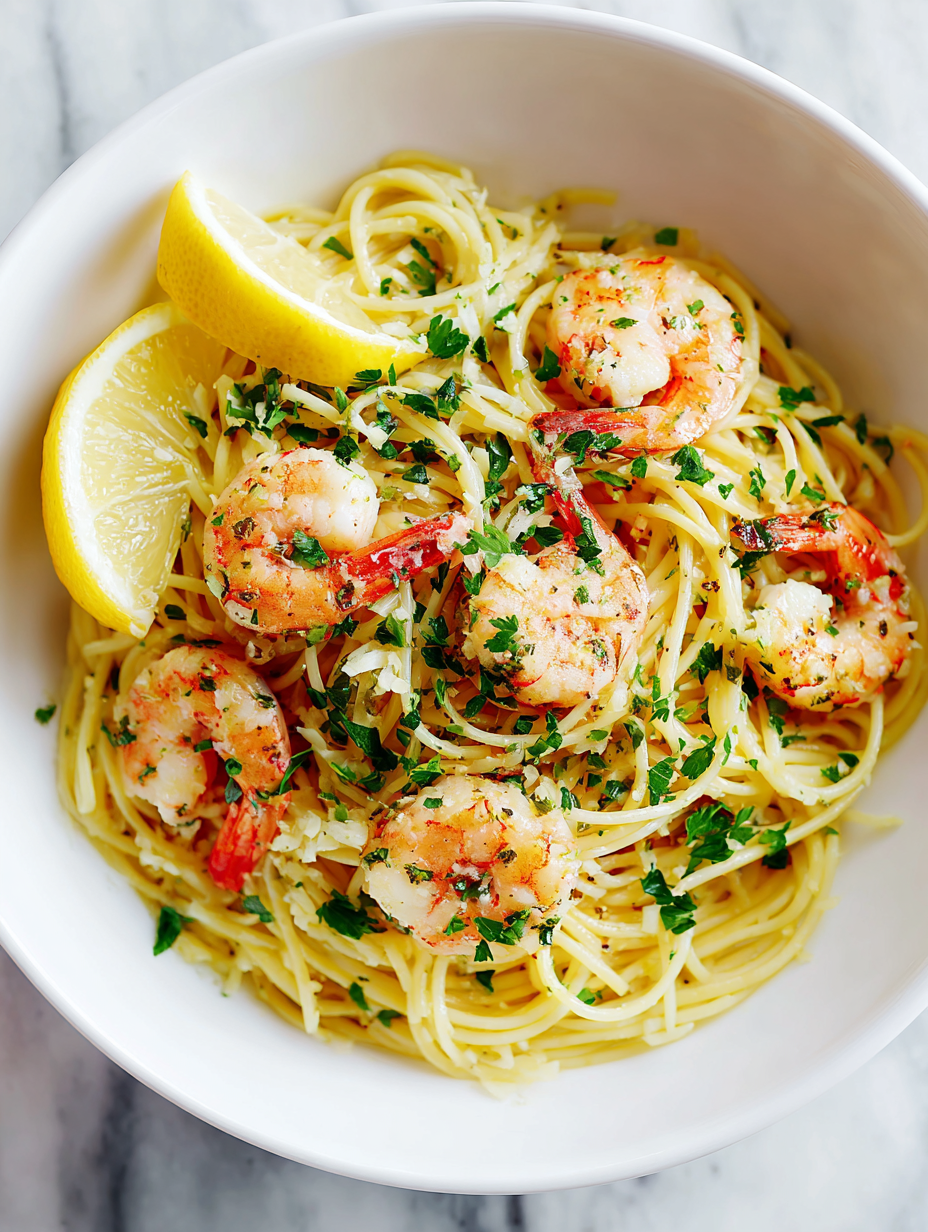
There’s something about a simple pasta dish that feels honest, almost like a little secret. This shrimp olive oil pasta keeps it straightforward—bright, fresh, with layers of flavor that don’t hide behind complexity. It’s the kind of meal that makes you appreciate the beauty of a handful of good ingredients, cooked with care and a bit of patience.
I often find myself returning to this recipe on busy nights or when I want something comforting but not heavy. The smell of sizzling shrimp in fragrant olive oil, with a hint of garlic and lemon, fills the kitchen and makes everything else fade away. It’s honest cooking, no fuss, just ingredients doing their thing and coming together in a way that feels both satisfying and unpretentious.
This dish isn’t about perfection or fancy techniques, but about trusting good flavors. It’s quick enough to whip up after work, yet special enough to serve to friends. Sometimes, the simplest meals turn out to be the most memorable—this one’s no exception.
Focusing on the underappreciated beauty of simplicity, this recipe highlights how a handful of ingredients can create a dish that’s both satisfying and surprisingly elegant, especially when made with fresh, honest flavors like good olive oil and perfectly cooked shrimp.
The quiet thrill of simple elegance
- There’s a quiet joy in a dish that’s so straightforward, yet so full of life with just a few ingredients.
- Cooking this reminds me of lazy summer evenings when everything feels slow, and the smell of garlic and shrimp drifts through the air.
- Sometimes I get lost in the simplicity—watching the shrimp turn pink, the oil shimmering—these small moments make me feel connected to my kitchen.
- This recipe has a nostalgic pull; it’s like a little ode to my early cooking days, where less was always more.
- There’s relief in knowing I can whip this up quickly, and it still feels special—proof that simplicity can be enough.
The story behind this recipe
- This recipe was born out of a cluttered pantry and a craving for something quick, bright, and satisfying. I remember a summer evening when I had just a handful of ingredients—shrimp, good olive oil, garlic—and a craving for simplicity that hit just right. It’s those spontaneous moments in the kitchen that often turn into favorites.
- I love how that unassuming combination can feel like a little celebration. No fancy sauces or complicated steps, just honest flavors that come together naturally. It’s a dish I keep coming back to when I need comfort and clarity—something straightforward but lively enough to lift my mood.
- Cooking this always takes me back to lazy weekends and small dinners with friends, where the focus is on good food and good company. It’s a reminder that sometimes, less really is more—especially when the ingredients are fresh and the idea is simple.
Contextual origin, trivia, or history
- This dish echoes the simplicity of coastal Mediterranean cooking, where fewer ingredients mean more focus on quality and freshness.
- Olive oil and shrimp together have a long history in seaside villages, often cooked over open flames for quick, flavorful meals.
- The idea of combining seafood with pasta in a quick, everyday dish likely originated from busy fishermen’s families in Italy and Spain, making it both a practical and cherished meal.
- In some regions, this recipe was once considered humble peasant food, transformed over time into a beloved, everyday comfort dish.
- The quick sauté of shrimp in olive oil highlights a tradition of minimalism—letting the natural flavors shine without heavy sauces or spices.
Ingredient breakdown: key components
- Shrimp: I use deveined, tail-off shrimp for quick sautéing—they turn tender and juicy fast. If yours are smaller, cook a minute less to avoid rubbery bites.
- Good olive oil: I favor extra-virgin for its fruity, peppery punch that really coats each bite. If you only have regular, it still does the job, just less aromatic.
- Garlic: I love a generous amount, sliced thin so it crisps up nicely and releases that fragrant aroma. Skip if you’re sensitive, but it’s the flavor backbone.
- Lemon: Brightens everything with a zesty, tangy splash—don’t skimp, the acidity lifts the dish. Try lime if lemons aren’t in season for a different citrus kick.
- Pasta: I prefer spaghetti or linguine, cooked al dente—bite into that slight resistance, it’s the ideal texture. Whole wheat works, but expect a nuttier flavor.
- Salt & pepper: Basic, but essential. I season generously at the start and finish—adjust to taste, but don’t hold back on the salt, it’s the flavor enhancer.
- Red pepper flakes: Optional, but I add a pinch for a smoky heat that balances the richness of the olive oil and the sweetness of the shrimp.
Spotlight on key ingredients
Shrimp:
- I use deveined, tail-off shrimp for quick sautéing—they turn tender and juicy fast. If yours are smaller, cook a minute less to avoid rubbery bites.
- Good olive oil: I favor extra-virgin for its fruity, peppery punch that really coats each bite. If you only have regular, it still does the job, just less aromatic.
- Lemon: Brightens everything with a zesty, tangy splash—don’t skimp, the acidity lifts the dish. Try lime if lemons aren’t in season for a different citrus kick.
Olive Oil:
- I lean on robust, fruity extra-virgin for that deep flavor that makes everything feel richer. If you only have lighter oil, it’s still fine but less aromatic.
- Lemon: I love a generous squeeze and zest—it’s the bright counterpoint to the oil and seafood. Skip if you prefer a milder, less tangy finish.
Notes for ingredient swaps
- Seafood Swap: Use scallops or firm white fish like cod if shrimp isn’t available. They cook quickly but offer different textures and flavors.
- Oil Choice: Swap olive oil for avocado or grapeseed oil for a milder, less fruity taste that handles higher heat better.
- Garlic Alternatives: Roast garlic for a sweeter, mellow flavor or omit for a subtler background note. Fresh garlic really brightens the dish.
- Citrus Variations: Lime or orange zest and juice can replace lemon for a different tang, but keep the acidity sharp and fresh.
- Pasta Options: Try gluten-free or vegetable-based noodles for dietary needs—cooks similarly, but texture varies slightly.
- Spice Level: Dried chili flakes can be substituted with fresh sliced chili for a more vibrant heat or omitted for milder flavor.
- Herb Boost: Add fresh parsley or basil instead of red pepper flakes for a herbal lift that complements the seafood.
Equipment & Tools
- Large pot: Boiling pasta evenly.
- Deep skillet: Sautéing shrimp and flavoring the olive oil.
- Tongs: Turning shrimp and tossing pasta.
- Strainer: Draining pasta without breaking it.
- Sharp knife: Slicing garlic and zesting lemon.
Step-by-step guide to shrimp pasta
- Gather your equipment: a large, deep skillet (about 25cm/10in), tongs, a pasta strainer, and a sharp knife. Fill a large pot with water, add a generous pinch of salt, and bring to a rolling boil (about 100°C/212°F).
- Peel and devein 250g (8 oz) of shrimp if not already cleaned. Pat dry with paper towels. Slice 4 cloves of garlic thinly. Zest and juice one lemon, keeping the zest and juice separate.
- Add the pasta to boiling water. Cook until just al dente, about 8 minutes, or according to package instructions. Stir occasionally to prevent sticking. Drain, reserving about ½ cup of pasta water for later.
- While pasta cooks, heat 4 tbsp of good olive oil in your skillet over medium heat (about 160°C/320°F). Once shimmering, add garlic slices. Cook until fragrant and lightly golden, about 1-2 minutes. Watch closely to prevent burning. If garlic begins to brown too fast, lower the heat.
- Increase heat slightly, then add shrimp to the skillet. Toss to coat in olive oil. Sauté for about 2-3 minutes per side until they turn opaque and pink. Check for doneness: shrimp should be firm and slightly springy, with a juicy appearance. If overcooked, they become rubbery—reduce heat and cook less next time.
- Add the drained pasta to the skillet with shrimp. Toss well to coat in the garlic-infused oil. Pour in the lemon juice and a splash of reserved pasta water to loosen the sauce. Stir until everything is shiny and well combined. Taste and adjust salt, pepper, or lemon if needed.
- Remove from heat. Finish with a sprinkle of lemon zest and red pepper flakes if you like a bit of heat. Let sit for a minute to allow flavors to meld.
Let the pasta sit off heat for a minute. Finish with a drizzle of olive oil or extra lemon zest. Serve immediately, garnished with additional lemon if desired.
How to Know It’s Done
- Shrimp are opaque and pink with a slight jiggle when gently pressed.
- Pasta is al dente, with a slight resistance when bitten.
- The garlic is fragrant, golden, and not burnt.
Simple Shrimp Olive Oil Pasta
Ingredients
Equipment
Method
- Begin by bringing a large pot of salted water to a rolling boil. Add the pasta and cook until just al dente, about 8 minutes, stirring occasionally. Drain and set aside, reserving about ½ cup of pasta water.
- While the pasta cooks, heat the olive oil in a deep skillet over medium heat until it shimmers and begins to smell fragrant. Add the sliced garlic and cook for about 1-2 minutes, stirring frequently, until it turns golden and releases a rich aroma.
- Add the shrimp to the skillet in a single layer. Sauté for about 2-3 minutes per side, until they turn pink and are just cooked through. They should be tender and juicy, with a slight bounce when pressed.
- Pour in the lemon juice and add a splash of the reserved pasta water to loosen the oil and create a light sauce. Toss the pasta into the skillet, mixing everything well so the noodles are coated with the fragrant oil and lemon.
- Season with salt, pepper, and red pepper flakes if using. Toss again to combine, letting the flavors meld for about a minute. The dish should look glossy, with the ingredients beautifully coated and vibrant.
- Remove from heat, sprinkle with lemon zest for a fresh aroma, and serve immediately. Enjoy this simple, elegant pasta while the shrimp are tender and the flavors are bright.
Pro tips for perfect shrimp pasta
- Bolded mini-head: Use high heat for quick sautéing to get a slight caramelization on the shrimp’s surface, adding depth of flavor.
- Bolded mini-head: Slice garlic thinly to maximize surface area, ensuring it crisps evenly and releases a fragrant aroma without burning.
- Bolded mini-head: Add pasta water gradually when tossing everything together; it helps create a silky, cohesive sauce.
- Bolded mini-head: Don’t overcrowd the pan—cook shrimp in batches if needed to keep the oil hot and shrimp tender.
- Bolded mini-head: Finish with lemon zest off heat to preserve its bright, aromatic oils and prevent bitterness.
- Bolded mini-head: Use tongs to toss pasta and shrimp—gentle handling keeps everything intact and evenly coated.
- Bolded mini-head: Rest the dish for a minute after tossing—this helps flavors meld and shrimp stay juicy.
Common mistakes and how to fix them
- FORGOT to watch shrimp: overcooking makes them rubbery. Fix by removing from heat earlier.
- DUMPED too much oil: causes greasiness. Use just enough to coat ingredients lightly.
- OVER-TORCHED garlic: turns bitter. Lower heat and remove once fragrant and golden.
- MISSED the pasta salt: results in bland dish. Salt water generously for flavorful pasta.
Quick fixes and pantry swaps
- If shrimp are overcooked, add a splash of lemon juice to brighten and refresh their flavor.
- When oil shimmers but garlic isn’t fragrant, turn down the heat to prevent burning.
- Splash a bit of pasta water if sauce feels too thick or sticky, making it silkier.
- Patch burnt garlic by removing pan from heat immediately and adding fresh garlic in a new batch.
- Shield oil shimmer with a lid when adding shrimp to contain splatters and keep oil hot.
Prep, store, and reheat tips
- Peel and devein the shrimp ahead of time; keep covered in the fridge for up to 24 hours. The raw scent of seafood keeps it fresh and ready to cook.
- Cook the pasta until just al dente, then drain and toss with a little olive oil. Store in an airtight container for up to 2 days; it’ll soak up flavors and stay firm.
- Prepare garlic, lemon zest, and lemon juice in advance. Keep separately in small jars or containers in the fridge for up to 2 days; the garlic aroma intensifies over time.
- Reheat leftovers gently in a skillet over low heat, adding a splash of olive oil or reserved pasta water. Expect the shrimp to be tender, and the oil to shimmer with bright lemon scent.
- The flavor will develop a little more as it sits, so consider adding a fresh squeeze of lemon and a drizzle of olive oil just before serving for that fresh burst.
Top questions about shrimp pasta
1. Can I use frozen shrimp?
Use deveined, tail-off shrimp for quick cooking. They stay tender and juicy if not overcooked.
2. Should I peel the shrimp?
Yes, just thaw and pat dry before cooking to prevent excess water from splattering.
3. Can I skip peeling the shrimp?
Peeling is optional; leaving shells on adds flavor but requires extra prep and cleaning.
4. What kind of olive oil is best?
Use good quality extra-virgin olive oil for a fruity, peppery flavor that coats the pasta well.
5. Can I omit lemon?
Lemon juice and zest brighten the dish with tang and freshness. Lime can be a good alternative.
6. How do I know when the pasta is done?
Cook pasta until just al dente, about 8 minutes, to keep it tender yet firm enough to hold sauce.
7. How do I get a sauce that sticks to the pasta?
Add pasta water gradually to loosen the sauce and create a silky coat on the noodles.
8. How can I tell if the shrimp are cooked?
Overcooked shrimp turn rubbery; remove from heat as soon as they turn pink and opaque.
9. How do I reheat leftovers without overcooking the shrimp?
Reheat gently in a skillet over low heat, adding a splash of olive oil or reserved pasta water.
10. Can I make this dish spicy?
Use red pepper flakes sparingly for a smoky heat, or skip if you prefer milder flavor.
This dish is a reminder that simple ingredients can come together in a way that feels both fresh and satisfying. The smell of garlic, the plump shrimp, and the bright lemon create a scene that’s effortless and genuine. It’s a quick, honest meal that’s perfect for those nights when you want real flavor without fuss.
In a world that often feels hurried, this pasta offers a moment to slow down and enjoy honest cooking. It’s the kind of dish that makes you appreciate the little things—good olive oil, fresh seafood, and a splash of citrus. Sometimes, the simplest meals linger longest in memory.
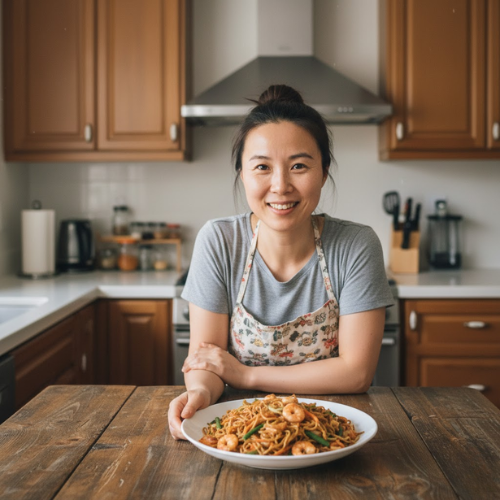
Hi, I’m Jessica Miller, the creator behind Taste Bud Tyrant. Before you get intimidated by the name, let me explain. I am not actually tyrannical. I am just deeply opinionated about flavor. If a dish is bland, I will say it. If a sauce needs acid, I will add it. If something can be bolder, brighter, or better balanced, I will not stop until it is.
