
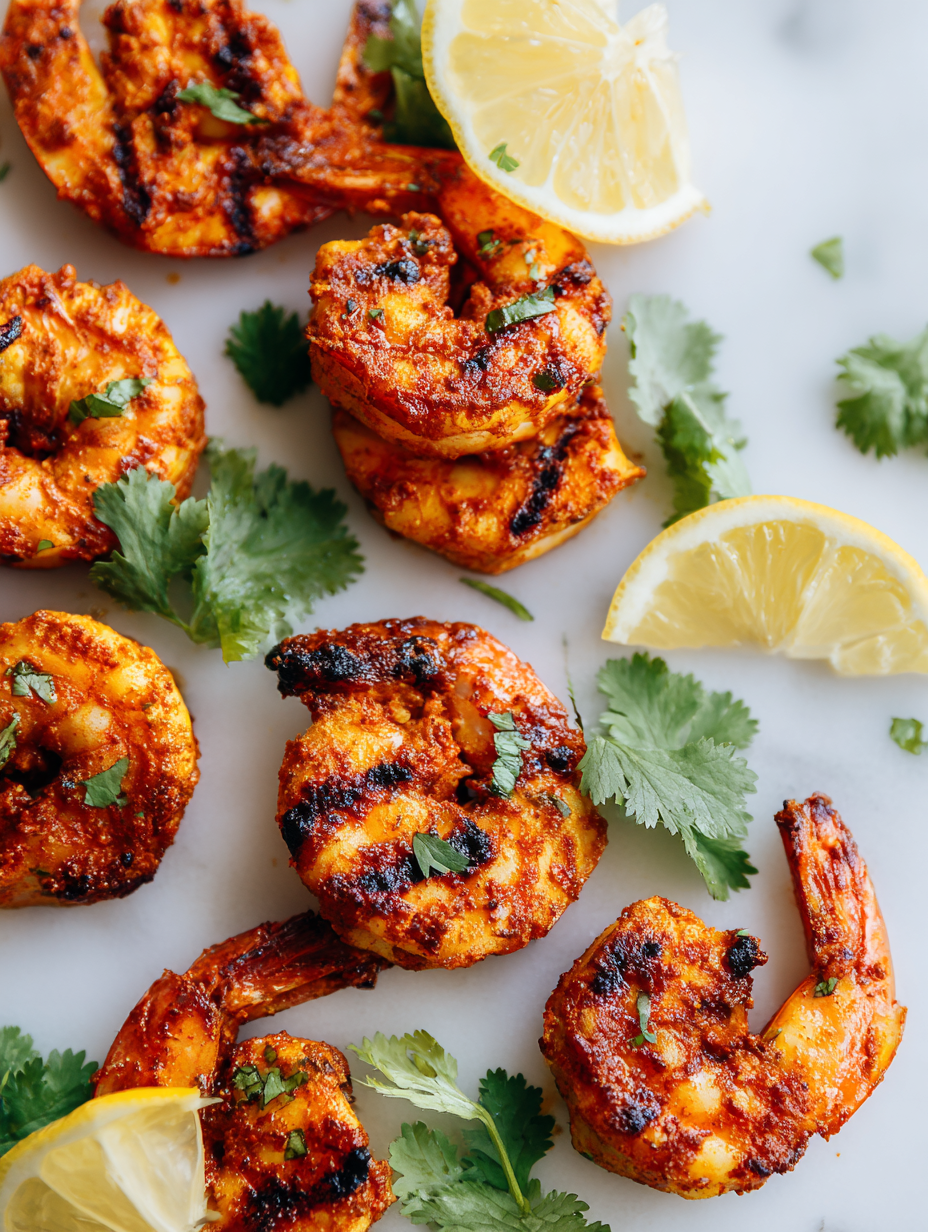
Achieving that smoky, charred edge on shrimp tikka without a tandoor has always felt like a kitchen trick worth mastering. I’ve played around with broilers, cast iron skillets, and even a grill pan, trying to mimic that deep, slightly blackened flavor you get from traditional Indian grills. It’s surprisingly forgiving once you get the hang of high heat and quick cooking, and it makes the dish feel like a special treat even on a weeknight.
What keeps me coming back to this recipe is the way it balances fiery spice with the sweet, briny pop of shrimp. Plus, I love how adaptable it is—no need for fancy equipment, just a good hot pan and some patience. It’s a dish that feels both nostalgic and fresh, perfect for those nights when you want something bold but straightforward.
Focusing on how to achieve authentic smoky char on shrimp tikka using simple kitchen tools, like a broiler or hot skillet, instead of traditional tandoors.
Chasing smoky perfection
- Cooking this dish always reminds me of summer barbecues with a smoky breeze in the air.
- I get a rush of pride every time I nail that perfect char—it’s like capturing a fleeting moment of fire and spice.
- There’s a nostalgic joy in marinating the shrimp, recalling family dinners filled with laughter and fragrant spices.
- When I serve this, I feel a quiet relief knowing I’ve created something bold and satisfying with just simple tools.
Chasing smoky perfection
This recipe was born out of a desire to capture that elusive smoky char on shrimp without needing a tandoor. I remember the first time I tried to replicate shrimp tikka on my stovetop, and the smell of charred spices filled my small kitchen—an aroma that instantly transported me to bustling Indian street stalls. Since then, I’ve been obsessed with perfecting that balance of heat, spice, and smoky depth using just my trusty skillet and broiler. It’s funny how a simple craving for bold flavors can turn into a little kitchen experiment that sticks around for good.
Trivia and historical tidbits
- Shrimp tikka has roots in Indian coastal cuisine, where fresh seafood mingles with bold spices.
- The dish was adapted from traditional chicken tikka, using shrimp for a quicker, lighter version suitable for seafood lovers.
- Historically, smoky flavors in Indian cooking came from tandoors, but modern cooks have embraced broilers and cast iron for that same depth.
- In many seaside towns, shrimp tikka is a street food staple, often served with a squeeze of lemon and a side of cooling chutney.
Ingredient breakdown: key components
- Shrimp: I prefer tail-on, deveined shrimp for easy eating and better flavor. If yours are pre-peeled, just ensure they’re fresh—briny and firm to the bite, with a slight sheen that hints at juiciness.
- Yogurt: Thick, full-fat Greek yogurt makes the marinade creamy and tangy. If you want lighter, swap for coconut yogurt—just note it’ll add a subtle sweetness and coconut aroma that changes the flavor profile.
- Spices: Garam masala, turmeric, cumin—these are my backbone for that warm, smoky flavor. Adjust the cumin for earthiness or add a pinch of smoked paprika for extra smoky depth. Use fresh ground if possible for more vibrant aroma.
- Lemon juice: Brightens everything with a sharp, citrusy zing. Freshly squeezed is best—skip the bottled stuff, or it’ll dull the fresh punch and make the marinade less vibrant.
- Oil: A splash of neutral oil helps the spices stick and prevents sticking in the pan. If you want extra smoky flavor, toss in a little smoked oil or ghee—just be mindful of the heat so it doesn’t burn.
- Skewers: Metal or soaked wooden skewers—both work. Wooden skewers need soaking for at least 30 minutes to avoid burning, especially under a broiler. Metal ones get hot fast, so watch your fingers!
- Optional: A pinch of sugar or honey to balance spice heat—be cautious, a little goes a long way to keep the marinade from becoming too sweet or sticky.
Spotlight on key ingredients
Shrimp:
- I prefer tail-on, deveined shrimp for easy eating and better flavor. If yours are pre-peeled, just ensure they’re fresh—briny and firm to the bite, with a slight sheen that hints at juiciness.
- Yogurt: Thick, full-fat Greek yogurt makes the marinade creamy and tangy. If you want lighter, swap for coconut yogurt—just note it’ll add a subtle sweetness and coconut aroma that changes the flavor profile.
Spices & citrus:
- Garam masala: My go-to spice blend for depth—warm, fragrant, with a touch of earthiness. It blooms beautifully in the marinade, giving that smoky, complex aroma that’s hard to replicate.
- Lemon juice: Bright and sharp, it cuts through the richness of the marinade. Freshly squeezed is essential—skip the bottled stuff, or the whole dish loses its zing.
Notes for ingredient swaps
- Dairy-Free: Swap yogurt for coconut yogurt—adds a slight sweetness and coconut aroma, changing the tang and creaminess.
- Shellfish Alternative: Use firm tofu or paneer instead of shrimp for a vegetarian version; they absorb spices well and hold shape.
- Spice Level: Replace garam masala with smoked paprika for a smoky kick, or omit chili for milder heat.
- Lemon Juice: Lime juice can be a bright, slightly more tart alternative, maintaining that zesty punch.
- Oil: Ghee can be used instead of neutral oil for a richer, nuttier flavor with a subtle aroma.
- Skewers: Metal skewers conduct heat better, but soaked wooden skewers work fine if you dip them in water beforehand.
- Sweetener: Honey or agave syrup can replace sugar or honey in the marinade for a more floral sweetness, but use sparingly.
Equipment & Tools
- Cast iron skillet: Create smoky sear and even heat
- Skewers: Hold shrimp securely for grilling
- Small mixing bowl: Combine marinade ingredients
- Tongs: Turn and remove shrimp safely
- Brush: Apply oil or marinade during cooking
Step-by-step guide to shrimp tikka
- Equipment & Tools: Gather a cast iron skillet (for smoky char), skewers (metal or soaked wooden), a small bowl for marinade, tongs, and a brush for oil.
- Prepare shrimp: Devein and peel, leaving tails on if desired. Pat dry thoroughly so marinade sticks better.
- Make marinade: In a bowl, mix yogurt, minced garlic, grated ginger, garam masala, turmeric, cumin, lemon juice, oil, and salt. Whisk until smooth.
- Marinate shrimp: Toss shrimp in marinade until evenly coated. Thread onto skewers. Cover and refrigerate for at least 30 minutes, up to 2 hours.
- Preheat pan: Heat your cast iron skillet over high heat until it’s just starting to smoke—about 2-3 minutes at 220°C/430°F.
- Cook shrimp: Place skewers in the hot skillet. Cook for 2-3 minutes per side, until they turn opaque and edges are charred. Adjust heat if burning occurs.
- Check for doneness: Shrimp should be firm, pink, and slightly charred. The marinade will caramelize and develop a smoky aroma.
- Finish and rest: Remove from heat. Let sit for 2 minutes to settle juices. Serve hot with lemon wedges and fresh herbs.
Rest shrimp on a plate for 2 minutes. Garnish with fresh cilantro and lemon wedges. Serve immediately for maximum flavor and smoky aroma.
How to Know It’s Done
- Shrimp are opaque and pink, with a slight char on edges.
- Marinade caramelizes and develops a smoky, fragrant aroma.
- Shrimp feel firm but tender when gently pressed.
Smoky Shrimp Tikka
Ingredients
Equipment
Method
- Start by preparing your shrimp: pat them dry thoroughly with paper towels to remove excess moisture, which helps in searing and achieving a smoky crust.
- In a small bowl, whisk together Greek yogurt, minced garlic, grated ginger, garam masala, turmeric, cumin, lemon juice, oil, and a pinch of salt until smooth and well combined.
- Add the shrimp to the marinade, tossing gently to coat each piece evenly. Cover and refrigerate for at least 30 minutes, or up to 2 hours for deeper flavor.
- If using wooden skewers, soak them in water for at least 30 minutes to prevent burning. Thread the marinated shrimp onto skewers, leaving some space between each for even cooking.
- Heat your cast iron skillet over high heat until it starts to smoke slightly, about 2-3 minutes. This high temperature is key to creating that authentic smoky, charred exterior.
- Place the skewers into the hot skillet and cook for about 2-3 minutes per side, using tongs to turn them. You’ll hear a sizzle and see the edges start to blacken and bubble.
- Watch for the shrimp to turn opaque and pink with slightly charred edges—this means they're cooked through and have developed that smoky crust.
- Once cooked, transfer the skewers to a plate and let rest for 2 minutes to allow juices to redistribute, ensuring they stay tender and flavorful.
- Remove the shrimp from skewers and serve immediately, garnished with fresh cilantro and lemon wedges for extra brightness.
Pro tips for smoky shrimp tikka
- Bolded mini-head: Use high heat to quickly sear shrimp, locking in juices and achieving that smoky exterior.
- Bolded mini-head: Keep shrimp dry before marinating—excess moisture prevents proper absorption and searing.
- Bolded mini-head: For extra smoky flavor, add a pinch of smoked paprika into the marinade—don’t overdo it, or it can overpower.
- Bolded mini-head: Turn shrimp frequently during cooking to ensure even char and prevent burning on one side.
- Bolded mini-head: Rest cooked shrimp for 2 minutes before serving—this helps juices redistribute, keeping them tender.
- Bolded mini-head: Use a splash of oil in the pan just before cooking—this helps prevent sticking and enhances charring.
- Bolded mini-head: When using a broiler, position the rack close to the heat source and watch carefully to avoid over-char.
Common mistakes and how to fix them
- TOO MUCH WATER: Drain shrimp thoroughly, excess moisture prevents proper sear and smoky char.
- DUMPED SPICES: Use fresh ground spices for vibrant aroma; stale spices dull the flavor.
- OVER-TORCHED SHRIMP: Reduce heat if shrimp blacken; aim for a balance of char and tenderness.
- MISSED RESTING: Let cooked shrimp rest 2 minutes to retain juices and enhance flavor.
Quick fixes and pantry swaps
- When shrimp stick, splash a little water in the pan and scrape up caramelized bits.
- If marinade is too thick, add a splash of lemon juice to loosen it up.
- DUMPED spices? Start fresh with ground spices for full aroma and flavor.
- When shrimp are over-torched, reduce heat and cook a minute longer to prevent burning.
- Splash a little oil if the shrimp aren’t sizzling—helps achieve that smoky, caramelized exterior.
Prep, store, and reheat tips
- Marinate the shrimp up to 2 hours ahead in the fridge; the flavors deepen and the shrimp absorb more spice, but avoid over-marinating to prevent mushiness.
- Store marinated shrimp in an airtight container; it keeps well for 24 hours, though the marinade’s brightness may soften slightly.
- Cooked shrimp can be refrigerated for up to 2 days. Reheat gently in a hot skillet, aiming for a shimmer of heat and a slight sizzle to revive the smoky aroma.
- For freezing, pack cooked or uncooked marinated shrimp in a freezer-safe bag for up to 1 month. Thaw in the fridge overnight, then reheat as above—expect a touch of freezer scent if stored long.
Top questions about shrimp tikka
1. How do I select the best shrimp for tikka?
Look for shrimp that are firm, slightly translucent, and have a briny smell. Deveined and tail-on is easiest for eating.
2. How long should I marinate the shrimp?
Marinate for at least 30 minutes, but up to 2 hours. Longer marination deepens flavor and helps shrimp absorb spices.
3. What’s the best pan for cooking shrimp tikka?
Use a cast iron skillet or grill pan over high heat. The key is to get it very hot—around 220°C/430°F—to mimic smoky char.
4. How do I know when the shrimp are done?
Cook for about 2-3 minutes per side until shrimp turn pink, opaque, with slightly charred edges. Don’t overcook or they’ll be rubbery.
5. How can I add more smoky flavor?
To get that smoky flavor, ensure the pan is well heated, and don’t overcrowd it. Adjust heat if shrimp start to burn.
6. Can I make this dairy-free?
Replace yogurt with coconut yogurt or plant-based alternatives for dairy-free options. The flavor will be slightly different but still delicious.
7. Should I use wooden or metal skewers?
Soak wooden skewers in water for at least 30 minutes to prevent burning. Metal skewers heat quickly and conduct high heat.
8. How should I serve shrimp tikka?
Serve immediately after resting for 2 minutes. Garnish with fresh cilantro and lemon wedges for added brightness and freshness.
9. What if the shrimp stick or burn?
If shrimp stick to the pan, splash a little water and scrape gently. Use enough oil to prevent sticking and promote char.
10. How do I store and reheat leftovers?
Leftovers can be refrigerated for up to 2 days. Reheat in a hot skillet until shimmering and fragrant, about 1-2 minutes.
Cooking shrimp tikka with that smoky, charred edge feels like a small victory each time. It’s a dish that reminds me how simple ingredients, combined with a little high heat and patience, can create something deeply satisfying.
Right now, when bold, spicy flavors feel so grounding, this recipe offers a quick way to bring warmth and a smoky glow to busy weeknights. It’s imperfect, fiery, and honestly pretty addictive—just like good street food should be.

Hi, I’m Jessica Miller, the creator behind Taste Bud Tyrant. Before you get intimidated by the name, let me explain. I am not actually tyrannical. I am just deeply opinionated about flavor. If a dish is bland, I will say it. If a sauce needs acid, I will add it. If something can be bolder, brighter, or better balanced, I will not stop until it is.
