
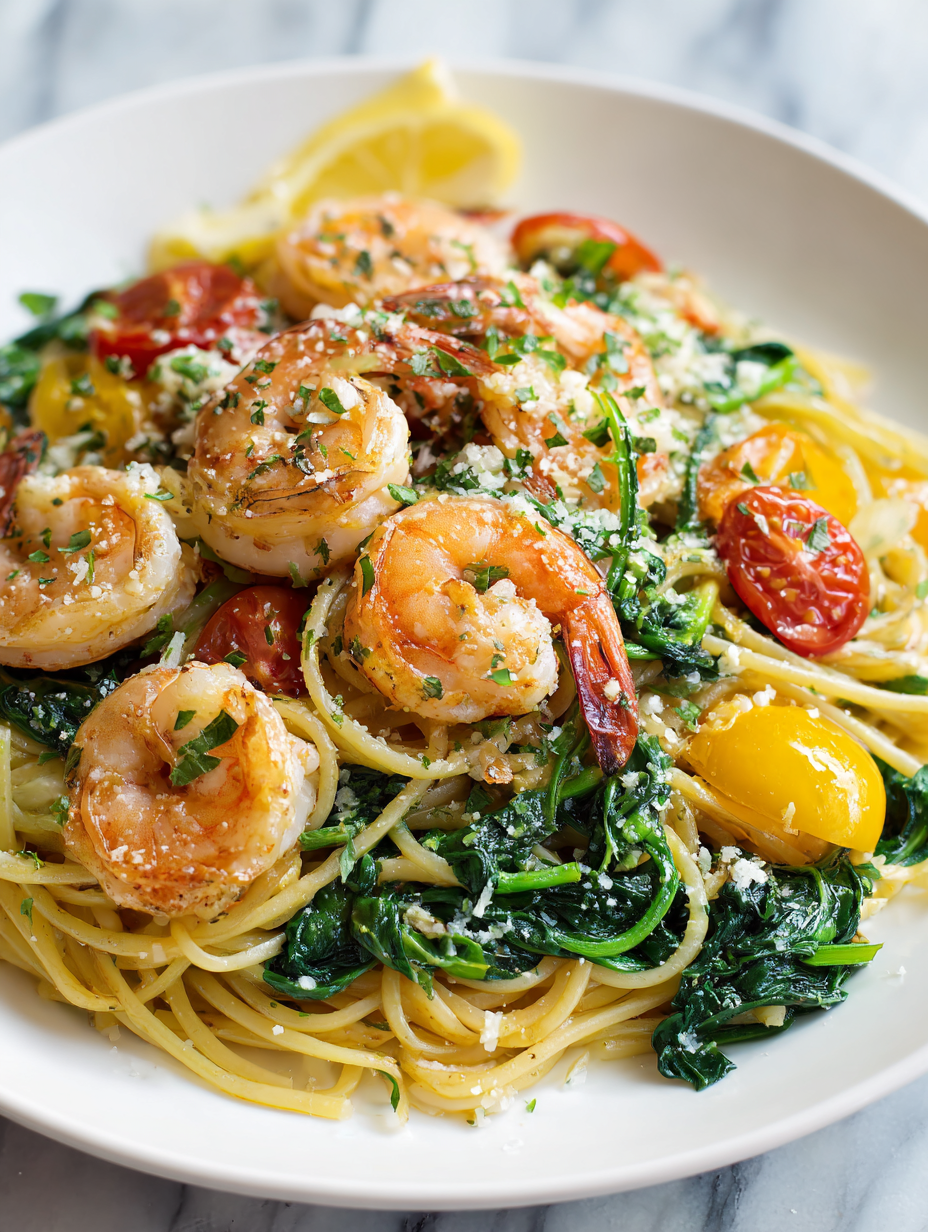
This shrimp spinach pasta isn’t about fussy ingredients or fancy techniques. It’s simple, honest cooking that highlights how well sweet shrimp and slightly bitter spinach can balance each other in a rush—no muss, no fuss. I like it because it feels like a little win after a long day, something you can throw together without sacrificing flavor.
The secret is in how the shrimp’s natural sweetness plays against the leafy greens, creating a fresh, vibrant dish that manages to be comforting and bright all at once. It’s a reminder that good food doesn’t have to be complicated—sometimes the best bites come from the simplest combos, cooked quickly and eaten even faster. Plus, it’s a dish I keep coming back to when I want something nourishing without fussing over it.
Focusing on how the natural sweetness of shrimp pairs unexpectedly well with the leafy, slightly bitter spinach, creating a balanced flavor that feels both comforting and fresh, even in a rushed weeknight dinner.
Unexpected sweetness pairing
- I love how the sweetness of shrimp brightens up even the gloomiest weeknight.
- There’s a quiet pride in tossing this together in under 30 minutes after a hectic day.
- Nothing beats that moment when the spinach wilts perfectly, releasing a earthy aroma I can’t resist.
The story behind this recipe
- This dish came about one busy evening when I was rummaging through the fridge, trying to use up some leftover shrimp and a bag of wilted spinach. Instead of tossing them out, I threw together a quick pasta, and the results surprised me—bright, satisfying, and way more flavorful than I expected for such a thrown-together meal.
- It’s one of those recipes I keep coming back to when time’s tight but I still want something nourishing. The sweetness of the shrimp and the slight bitterness of spinach somehow balance each other perfectly, making it feel both comforting and fresh. It’s like a little reminder that good, simple food can come from what’s already in your kitchen, no fuss required.
- heading
- The story behind this recipe
Trivia and historical notes
- This dish draws inspiration from coastal Italian cooking, where seafood and greens are staples, often combined with pasta for quick, flavorful meals.
- The pairing of shrimp and spinach became popular in the 20th century as a healthy, quick dinner option that balances sweetness and bitterness.
- In Mediterranean cuisines, spinach and seafood have long been used together, emphasizing freshness and vibrant flavors, especially in spring and summer dishes.
Ingredient breakdown: key components
- Shrimp: I use peeled, deveined shrimp; their sweet, briny aroma is what makes this dish pop. Swap for scallops if you want a richer flavor.
- Spinach: Fresh, vibrant leaves that wilt quickly, releasing a slightly earthy scent. Frozen spinach works in a pinch but loses some freshness and color.
- Garlic: Minced garlic adds a pungent, aromatic punch. If you love milder flavor, reduce the amount or toast it longer for a nuttier note.
- Olive Oil: Extra virgin olive oil gives a fruity, grassy depth. A neutral oil can work but will lack that bright, fresh finish.
- Lemon: Bright, citrus zing that lifts everything—squeeze it right before serving for the best freshness. Skip if you prefer a milder, less tangy dish.
- Pasta: I prefer linguine or spaghetti for their ability to carry sauce and shrimp equally well. Whole wheat adds nutty complexity, but regular is fine.
Spotlight on key ingredients
Shrimp:
- I prefer large, peeled, deveined shrimp; their natural sweetness and briny aroma really shine in this dish. If unavailable, scallops make a tender swap with a slightly richer note.
- Spinach: Fresh spinach wilts quickly, releasing a vibrant green color and earthy scent. Frozen spinach works in a pinch but tends to be duller in hue and flavor, and needs thorough draining to avoid sogginess.
Spinach:
- When fresh, it offers a crisp texture that softens beautifully and releases a slightly bitter, leafy aroma as it cooks. Watch for overcooking, or it turns to a slimy mess; a quick wilt is best.
- Shrimp: During cooking, they turn from translucent to opaque and pink, developing a firm yet tender bite. Overcooking makes them rubbery, so keep a close eye and remove from heat as soon as they turn perfect.
Notes for ingredient swaps
- Dairy-Free: Swap butter for extra olive oil to keep the dish rich without dairy, though it might lose a bit of creaminess.
- Gluten-Free: Use gluten-free pasta or zucchini noodles—just watch for texture changes and cook times.
- Vegetarian: Replace shrimp with sautéed mushrooms or tofu—still savory, but different in umami punch.
- Fresh Herbs: Swap basil or parsley for cilantro for a bright, slightly citrusy twist that brightens the dish.
- Lemon Variations: Lime or vinegar can replace lemon for acidity, but they’ll alter the fresh brightness.
- Oil Choices: Avocado oil offers a mild flavor and high smoke point; it’s a good neutral substitute for olive oil.
- Pasta Types: Whole wheat or chickpea pasta bring nuttier flavor and more fiber, but cook slightly longer and may be denser.
Equipment & Tools
- Large pot: Boil pasta efficiently
- Skillet or deep pan: Cook shrimp and spinach mix
- Tongs: Handle pasta and shrimp without breaking
- Colander: Drain pasta
- Sharp knife: Prep garlic and spinach
Step-by-step guide to Shrimp Spinach Pasta
- Equipment & Tools: Boil large pot with salted water, skillet or deep pan for shrimp, tongs, wooden spoon, colander, and a sharp knife for prep.
- Bring 4 liters (about 4 quarts) of water to a rolling boil, add a generous pinch of salt, and cook pasta until al dente—about 8-10 minutes. Drain and set aside, reserving a cup of pasta water.
- While pasta cooks, heat 2 tbsp olive oil over medium-high heat (around 180°C/350°F). Add peeled, deveined shrimp in a single layer. Cook for 2-3 minutes per side until pink and opaque. Remove shrimp and set aside.
- In the same pan, lower heat to medium, add 1 tbsp olive oil, and toss in 3 minced garlic cloves. Cook for about 30 seconds until fragrant—avoid burning, or garlic turns bitter.
- Add a handful of fresh spinach (about 4 cups). Stir constantly for 1-2 minutes until wilted and bright green, releasing earthy aroma. If using frozen spinach, thaw and drain well first.
- Return shrimp to pan, add cooked pasta, and toss everything together. Splash in ½ cup reserved pasta water to loosen the sauce. Cook for another 2 minutes, letting flavors meld. Adjust seasoning with salt and pepper.
- Finish with a squeeze of lemon (about 1 tbsp) for brightness. Taste and adjust seasoning—more lemon if you want zing, or a pinch of chili flakes for heat.
- For a glossy finish, drizzle with a little more olive oil right before serving. Plate immediately, garnished with extra lemon wedges or grated Parmesan if desired.
- Rest & Finish: Serve hot directly from pan. Rest for 1 minute before plating to let flavors settle. Drizzle with a touch of olive oil and a final squeeze of lemon for freshness.
Serve immediately on warm plates, garnish with lemon wedges or herbs if desired, and drizzle with olive oil for shine.
How to Know It’s Done
- Shrimp: Opaque, pink, and slightly firm to the touch.
- Spinach: Wilted, vibrant green, no excess moisture or raw smell.
- Pasta: Al dente, firm but tender, with a slight bite.
Shrimp Spinach Pasta
Ingredients
Equipment
Method
- Bring a large pot of salted water to a rolling boil. Add the pasta and cook until just al dente, about 8-10 minutes. Drain and set aside, reserving a cup of pasta water.
- While the pasta cooks, heat 1 tablespoon of olive oil in a skillet over medium-high heat. Add the shrimp in a single layer and cook for about 2-3 minutes per side until pink and opaque. Remove the shrimp and set aside.
- In the same skillet, add another tablespoon of olive oil and toss in the minced garlic. Cook for about 30 seconds until fragrant, with a gentle sizzle and a fragrant aroma filling the air.
- Add the fresh spinach to the skillet and stir constantly for 1-2 minutes until wilted and vibrant green. The spinach should soften quickly, releasing a mild, earthy aroma.
- Return the cooked shrimp to the skillet and toss gently to combine with the greens and garlic. Pour in the reserved pasta water and stir to loosen the mixture, creating a lightly sauced, glossy coating.
- Add the drained pasta to the skillet and toss everything together until evenly coated and heated through, about 2 minutes. Squeeze fresh lemon juice over the top and season with salt and pepper to taste.
- Serve immediately, garnished with extra lemon wedges or herbs if desired. The dish should look vibrant, with pink shrimp, bright green spinach, and glossy pasta ready to enjoy.
Pro tips for perfect shrimp spinach pasta
- Use high heat to sear shrimp quickly, locking in sweetness and achieving a slight caramelization.
- When sautéing spinach, add a pinch of salt early to help it wilt faster and release more flavor.
- Toss pasta in a bit of reserved cooking water to create a silky, cohesive sauce that clings perfectly.
- For extra flavor, lightly toast minced garlic in oil until fragrant but not browned, to avoid bitterness.
- When cooking shrimp, turn them only once; over-flipping causes uneven cooking and rubbery texture.
- Add lemon juice off the heat to preserve its bright, fresh aroma and prevent bitterness.
- Use tongs to gently toss ingredients in the pan for even coating without breaking delicate shrimp or greens.
Common mistakes and how to fix them
- OVERCOOKED SHRIMP: They turn rubbery. Fix by removing from heat as soon as pink and opaque.
- DUMPED SPINACH: Excess moisture makes the dish soggy. Drain frozen spinach thoroughly before adding.
- FORKED PASTA: Not testing for al dente causes mush. Taste test a strand at the 8-minute mark.
- BURNED GARLIC: Turns bitter if overcooked. Cook on medium-low and add garlic just until fragrant.
Quick fixes and pantry swaps
- When shrimp turn rubbery, quickly remove from heat and serve immediately to prevent overcooking.
- Splash a little water or broth into the pan if the spinach releases too much moisture and becomes soggy.
- Patch a bland dish by adding a squeeze of lemon or a pinch of chili flakes for extra zing.
- Shield burnt garlic by removing it immediately and starting fresh with new garlic; it turns bitter fast.
- Rescue a dry pasta by tossing it with a splash of warm olive oil or reserved pasta water to loosen the sauce.
Tips for prepping and storing
- Prep shrimp and wash spinach ahead—store in airtight containers in the fridge for up to 24 hours to keep their fresh aroma intact.
- Cook and drain pasta in advance; keep it refrigerated in a sealed container for up to a day. Reheat by tossing in hot water briefly to revive texture.
- Prepare garlic and lemon zest the night before; store in small sealed jars to save time and preserve their pungent, bright scent.
- Reheat leftovers gently in a skillet over low heat, adding a splash of water or olive oil. Expect the flavors to mellow slightly, but the dish should still shine with freshness.
- Leftover pasta keeps well for up to 24 hours in the fridge. For optimal flavor, reheat gently and finish with a squeeze of lemon to perk up the greens and shrimp.
Common Questions About Shrimp Spinach Pasta
1. Can I use pre-cooked shrimp?
Peel and devein the shrimp for the best texture and flavor, but frozen, pre-peeled shrimp work fine if you’re in a rush.
2. Can I use frozen spinach instead of fresh?
Frozen spinach needs to be thawed and drained very well; excess moisture will water down your sauce and make it slimy.
3. When should I add lemon?
Use a good splash of lemon juice right at the end to brighten the dish, especially if the greens seem dull.
4. How do I know when the pasta is done?
Cook the pasta until just al dente, about 8-10 minutes; overcooking makes it mushy and less able to hold sauce.
5. How do I prevent the shrimp from overcooking?
Overcooked shrimp turn rubbery fast. Remove them from heat as soon as they turn pink and opaque, about 3 minutes per side.
6. What’s the best pan size for this recipe?
Use a large skillet or deep pan to give everything room to move and cook evenly, especially when tossing the pasta and greens.
7. Can I use garlic powder instead of fresh garlic?
If you don’t have fresh garlic, garlic powder works but will lack the pungent aroma and bite of fresh garlic.
8. Why do I need to save pasta water?
Reserve a cup of pasta water before draining; it’s starchy and helps loosen the sauce for a silky coating.
9. How should I serve and eat this dish?
This dish is best served immediately while the shrimp are tender, and the spinach is vibrant green and slightly wilted.
10. What if my pasta looks dry after tossing?
If the dish seems dry, add a bit more reserved pasta water or a drizzle of olive oil to loosen the sauce and add shine.
This dish is a reminder that simple ingredients can create something unexpectedly special. The sweetness of the shrimp paired with the earthy spinach offers a fresh take on weeknight pasta that feels both nourishing and satisfying.
Whenever I make this, I’m reminded of how a quick, honest meal can turn a busy evening around. It’s a dish that’s easy, honest, and always leaves me feeling a little more grounded after a hectic day.
Hi, I’m Jessica Miller, the creator behind Taste Bud Tyrant. Before you get intimidated by the name, let me explain. I am not actually tyrannical. I am just deeply opinionated about flavor. If a dish is bland, I will say it. If a sauce needs acid, I will add it. If something can be bolder, brighter, or better balanced, I will not stop until it is.
