
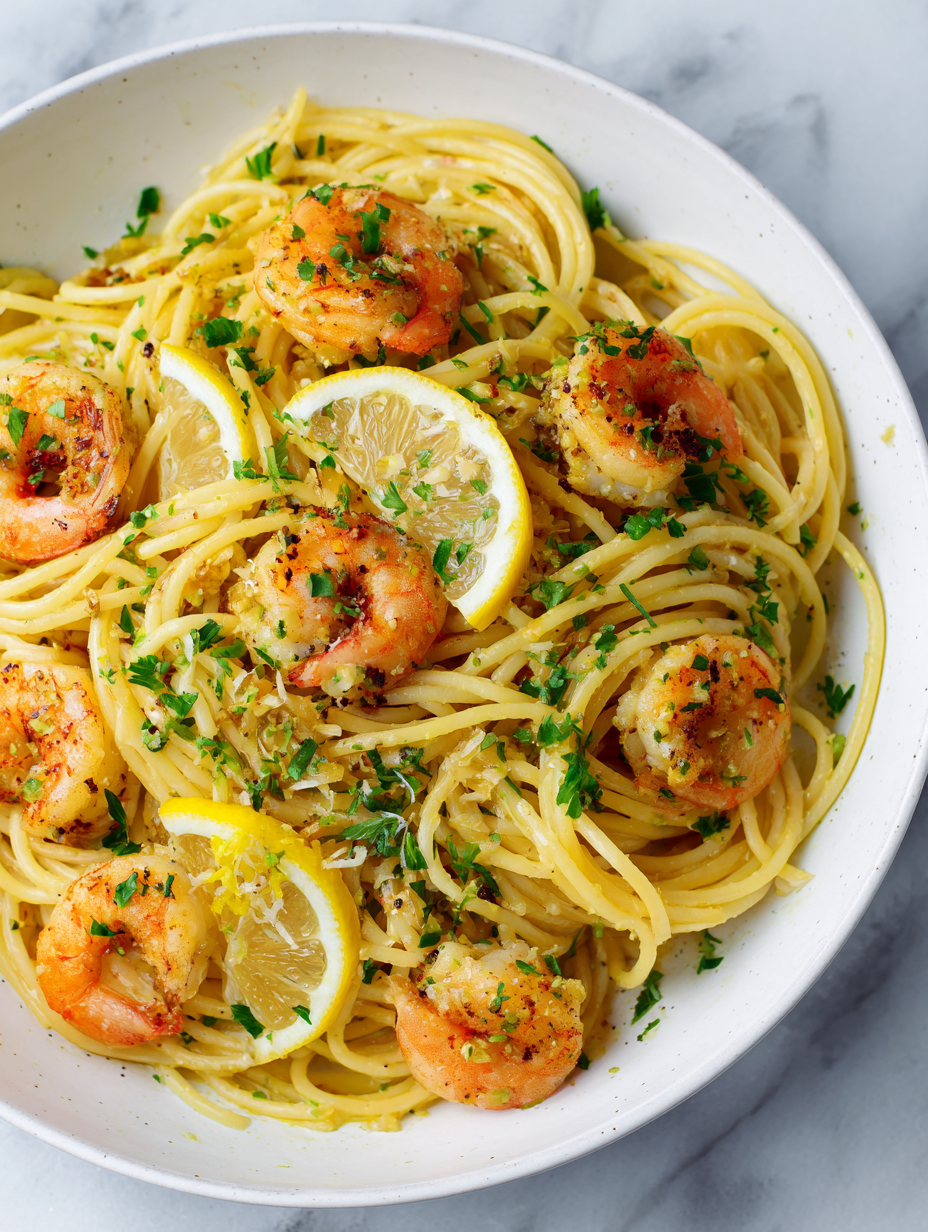
Shrimp spaghetti might seem straightforward, but I love how a splash of citrus and a smoky hint can really lift its humble flavors. It’s one of those dishes that feels fancy enough for a weekend but quick enough for a weeknight. I find myself coming back to it whenever I need something satisfying but not overcomplicated.
The secret for me lies in balancing the sweetness of the shrimp with unexpected flavor punches—like a squeeze of lemon and a dash of paprika. It’s a dish that rewards small tweaks, turning simple ingredients into something truly memorable. Plus, the aroma of garlic and citrus bubbling together is enough to make anyone stop and pay attention.
Cooking this dish feels like a little celebration of contrasts—bright, smoky, tender, and zesty all at once. It’s my go-to when I want a meal that’s both comforting and lively, a reminder that even the simplest pasta can surprise you with the right touches. That’s what makes it special in my kitchen.
Focusing on how the subtle sweetness of shrimp can be elevated with unexpected flavor pairings, like a splash of citrus and a hint of smoky paprika, transforming a simple spaghetti into a memorable, multi-layered dish.
Elevating Shrimp with Unexpected Flavors
- This dish reminds me of summer evenings by the coast, where the smell of the sea mingles with garlic and lemon.
- Cooking this makes me feel proud—like I’ve turned a simple meal into a little celebration of flavor.
- There’s a nostalgic comfort in the way the shrimp’s sweetness pairs with smoky paprika, taking me back to family dinners.
- I love how a splash of citrus can brighten the whole plate, making it feel fresh and lively even on the gloomiest days.
- Every time I make this, I feel a small thrill—knowing I’ve created something that’s quick, satisfying, and just a little unexpected.
The story behind this recipe
- This recipe grew out of a lazy Sunday afternoon, when I had a handful of shrimp that needed using and a craving for something bright and comforting. I didn’t want to fuss with complicated sauces, but I did want to lift those sweet, tender shrimp into something memorable. Stirring in a splash of citrus and a smoky pinch of paprika felt like the perfect way to elevate a simple spaghetti dish into a little celebration of flavor.
- Every time I cook this, I remember the first time I threw it together—just me, some garlic, lemon, and a handful of shrimp. The way the aroma filled my tiny kitchen, with garlic crackling and citrus zest brightening the air, felt like a small, imperfect magic. It’s become my go-to when I need a quick, satisfying meal that somehow feels special despite its simplicity.
- heading
- story_type
Historical and Cultural Notes
- Shrimp spaghetti has roots in coastal Italian cuisine, where fresh seafood was a daily staple.
- The dish likely evolved from simple fishermen’s meals, quick to prepare and packed with flavor from local ingredients.
- Adding citrus to seafood pasta became popular in Mediterranean regions as a way to brighten and preserve the delicate shrimp flavor.
- Paprika, though not traditional to Italy, was adopted into some regional takes, adding smoky warmth to the dish.
- This recipe reflects a blend of rustic tradition and modern flavor tweaks, making it a versatile favorite worldwide.
Key ingredients and tips
- Shrimp: I love using deveined, tail-on shrimp for easy eating and a better presentation. Their sweet, briny aroma when cooked is irresistible; if unavailable, scallops make a luxurious substitute, though they need less cooking time.
- Spaghetti: I prefer al dente, with a slight chew that holds up to the sauce. Whole wheat adds nuttiness, but regular pasta works just fine—just watch the cooking time closely to avoid mush.
- Garlic: Fresh garlic is a must—its pungent aroma when sautéing is the foundation of this dish. For a milder, sweeter flavor, try roasted garlic, but skip the raw, sharp punch.
- Lemon: Bright, zesty lemon juice makes all the difference, balancing sweetness with acidity. If fresh lemons aren’t available, a splash of bottled lemon juice works, but it won’t have the same vibrant kick.
- Paprika: Smoked paprika adds depth and a subtle smoky warmth. If you don’t have it, a pinch of cayenne or chili powder can add a similar warmth, though the flavor will shift.
- Olive oil: Extra virgin olive oil provides a fruity richness, especially when drizzled over the finished dish. For a lighter, less oily option, use a good quality neutral oil—just don’t skip the flavor.
- Parsley: Fresh parsley adds a herby, bright finish and a pop of color. Dried parsley can work in a pinch but won’t deliver the same fresh vibrancy.
Spotlight on key ingredients
Shrimp:
- I love using deveined, tail-on shrimp for easy eating and a better presentation. Their sweet, briny aroma when cooked is irresistible; if unavailable, scallops make a luxurious substitute, though they need less cooking time.
- Spaghetti: I prefer al dente, with a slight chew that holds up to the sauce. Whole wheat adds nuttiness, but regular pasta works just fine—just watch the cooking time closely to avoid mush.
Lemon and Olive Oil:
- Lemon: Bright, zesty lemon juice makes all the difference, balancing sweetness with acidity. If fresh lemons aren’t available, a splash of bottled lemon juice works, but it won’t have the same vibrant kick.
- Olive oil: Extra virgin olive oil provides a fruity richness, especially when drizzled over the finished dish. For a lighter, less oily option, use a good quality neutral oil—just don’t skip the flavor.
Notes for ingredient swaps
- Shrimp: I prefer wild-caught, but frozen peeled shrimp work just as well. If you’re allergic, scallops can stand in for a tender, sweet alternative.
- Pasta: Regular spaghetti is classic, but try gluten-free if needed. Zucchini noodles can be a light, veggie-packed swap—just cook briefly.
- Lemon: Fresh lemon juice is brightest, but bottled lemon works in a pinch. Skip the zest if you prefer a milder citrus note.
- Paprika: Smoked paprika adds depth, but for a milder flavor, use sweet paprika or a pinch of chili powder for heat.
- Olive oil: Extra virgin adds richness, but neutral oils like canola or grapeseed won’t overpower the dish—use what you have.
- Garlic: Fresh is best, but roasted garlic offers a sweeter, milder flavor. Garlic powder can be used in a pinch—adjust the quantity.
- Parsley: Fresh gives a bright, herby finish. Dried parsley works, though it’s less vibrant—add more for flavor impact.
Equipment & Tools
- Large skillet: To cook shrimp and sauce evenly
- Pasta pot: To boil spaghetti
- Tongs: To toss and combine pasta and shrimp
- Sharp knife: To prepare garlic and shrimp
- Cutting board: To chop ingredients safely
- Measuring spoons: To add spices and lemon accurately
- Citrus juicer: To extract lemon juice efficiently
Step-by-step guide to shrimp spaghetti
- Equipment ready: large skillet (preferably non-stick), pasta pot, tongs, sharp knife, cutting board, measuring spoons, and a citrus juicer. Set everything within reach to keep the flow smooth.
- Bring a large pot of salted water to a rolling boil—about 4 liters (1 gallon), salt should taste like the sea. Add spaghetti and cook until just al dente, about 8 minutes; drain, but save ½ cup of pasta water.
- While pasta cooks, peel and devein ½ pound of shrimp if not already done. Pat dry. Mince 3 cloves of garlic finely. Zest and juice one lemon, keeping both separate.
- Heat 2 tablespoons of good olive oil in the skillet over medium heat—about 160°C (320°F). When shimmering, add the garlic. Sizzle and fragrant—about 30 seconds. Do not burn; if it starts to turn brown, lower the heat.
- Toss in the shrimp. Cook until pink and slightly opaque—about 2-3 minutes per side. They should turn a bright, uniform pink, and smell sweet and briny. If overdone, they turn rubbery; remove immediately.
- Add a pinch of smoked paprika—about ¼ teaspoon—stir into the shrimp. Pour in the lemon juice and zest, then cook for another 30 seconds to meld flavors. If the pan looks dry, splash in a bit of pasta water for gloss and flavor.
- Toss the drained spaghetti into the skillet. Mix well, ensuring the pasta is coated with the lemon-garlic sauce. If it seems dry, add reserved pasta water a tablespoon at a time until glossy and smooth. Adjust seasoning with salt and pepper.
- Taste and check: the pasta should be bright with lemon, fragrant with garlic, and the shrimp tender. The sauce should cling lightly without being greasy.
Serve immediately on warm plates, garnished with a sprinkle of fresh parsley if desired. A squeeze of extra lemon brightens each bite. Keep the dish warm with gentle heat if not serving right away—avoid overcooking shrimp during any final reheating.
How to Know It’s Done
- Shrimp are bright pink and firm, with a sweet aroma.
- The sauce is glossy, coats the pasta evenly, and is bright with lemon.
- Spaghetti is al dente, with a slight chew, and not mushy.
Citrus-Infused Shrimp Spaghetti
Ingredients
Equipment
Method
- Bring a large pot of salted water to a rolling boil. Add the spaghetti and cook until just al dente, about 8 minutes. Drain, reserving about ½ cup of pasta water, and set aside.
- While the pasta cooks, peel and devein the shrimp if not already done. Pat them dry and set aside.
- Mince the garlic cloves finely. Zest the lemon and juice it, keeping both separate.
- Heat the olive oil in a large skillet over medium heat until shimmering. Add the minced garlic and sauté for about 30 seconds until fragrant, stirring constantly to prevent burning.
- Add the shrimp to the skillet. Cook for about 2-3 minutes per side until they turn bright pink and slightly opaque, filling the kitchen with a sweet, briny aroma.
- Sprinkle the smoked paprika over the shrimp and stir to coat evenly. Pour in the lemon juice and add the lemon zest, cooking for another 30 seconds to meld the flavors.
- Reduce the heat to low, then add the drained spaghetti to the skillet. Toss gently with tongs to coat the pasta in the lemon-garlic sauce, adding reserved pasta water a tablespoon at a time to loosen the mixture and create a glossy coating.
- Season with salt and pepper to taste. Toss in the chopped parsley if using, for a fresh herby finish. Give everything a final gentle toss to combine all the flavors.
- Serve immediately on warm plates, garnished with extra lemon wedges and parsley if desired. Enjoy the bright, smoky, tender shrimp with flavorful pasta in every bite!
Pro tips for perfect shrimp spaghetti
- Bolded: Use high heat to sizzle garlic quickly—just enough for fragrant aroma without burning.
- Bolded: When cooking shrimp, turn them only once—resist the urge to move them around too much to prevent overcooking.
- Bolded: Reserve some pasta water before draining—it’s your secret to a glossy, cohesive sauce.
- Bolded: Add lemon juice off the heat—this preserves its bright, fresh flavor and prevents bitterness.
- Bolded: Toss cooked pasta into the skillet off the heat, then briefly reheat together—this keeps it from overcooking and sticking.
- Bolded: For smoky depth, sprinkle a pinch of smoked paprika at the end—avoid adding during high heat to prevent bitterness.
Common mistakes and how to fix them
- FORGOT to watch shrimp: overcooked shrimp turn rubbery. Fix by removing from heat early.
- DUMPED the pasta water: it can contain starch; save a splash for sauce consistency.
- OVER-TORCHED garlic: burns quickly, leading to bitter taste. Use low heat and stir constantly.
- SKIPPED lemon zest: missing brightness in flavor. Always zest before juicing for ease.
Quick fixes and pantry swaps
- If shrimp overcooks, quickly splash with lemon juice to brighten and tenderize.
- When pasta is too sticky, toss with a little olive oil and warm water to loosen.
- Splash cold water on burned garlic to stop the bitter flavor immediately.
- Patch a dry sauce by stirring in reserved pasta water until glossy and cohesive.
- Shield shrimp from overcooking by removing from heat as soon as they turn pink and opaque.
Prep, store, and reheat tips
- Prep the shrimp: peel and devein up to a day ahead; keep refrigerated in an airtight container—shrimp stays sweet and firm for 24 hours.
- Cook the pasta: boil until al dente, then toss with a little olive oil, cool, and store in a sealed container in the fridge for up to 2 days—avoid sogginess.
- Lemon zest and juice: do this just before cooking for maximum brightness; store separately in small jars or bowls in the fridge for 1-2 days—zest keeps its fragrant punch.
- Garlic prep: mince in advance and keep in a small airtight container in the fridge—garlic retains its pungency and flavor well for a couple of days.
- Reheating: gently warm leftovers in a skillet over low heat, adding a splash of reserved pasta water—look for a glossy, fragrant finish, not dried out or burnt-smelling.
Top questions about shrimp spaghetti
1. Can I use other seafood instead of shrimp?
Use fresh, deveined shrimp with tails on for easy eating and better flavor. If unavailable, scallops are a good substitute, just reduce cooking time.
2. How should I cook the spaghetti?
Cook pasta until just al dente, about 8 minutes. It should be firm but not hard, and not mushy.
3. When should I add lemon juice?
Add lemon juice at the end off the heat to keep it bright and fresh. Avoid cooking lemon too long to prevent bitterness.
4. How do I know when the shrimp are done?
To prevent overcooked shrimp, remove them from heat as soon as they turn pink and opaque, about 2-3 minutes per side.
5. What if I don’t have smoked paprika?
Use smoked paprika for depth or cayenne for heat. If unavailable, chili powder can add warmth, but will alter the flavor.
6. Should I save pasta water?
Save some pasta water before draining. It’s starchy and helps create a glossy, cohesive sauce when added back in.
7. Can I use garlic powder?
Fresh garlic is best for aroma and flavor. Roast garlic for sweetness or use garlic powder in a pinch, adjusting quantity.
8. What oil should I use?
Use good quality extra virgin olive oil for richness. Neutral oils work too, but won’t have the same fruity aroma.
9. How should I serve the dish?
Serve immediately while hot, garnished with fresh parsley and a squeeze of lemon for brightness and freshness.
10. Can I make this ahead?
Leftovers can be refrigerated for up to 2 days. Reheat gently in a skillet with a splash of pasta water to revive the flavor.
This shrimp spaghetti is a reminder that simple ingredients, when paired thoughtfully, can surprise your palate. It’s perfect for busy nights but feels special enough for when you want to impress without fussing. The bright citrus and smoky paprika make each bite lively and memorable.
Cooking it feels like a small act of joy—an easy way to bring fresh, vibrant flavors into your home. No matter how often I make it, I still get a little thrill from that first aromatic sniff and watching the sauce cling perfectly to the pasta. It’s a dish that always delivers, even on the busiest days.
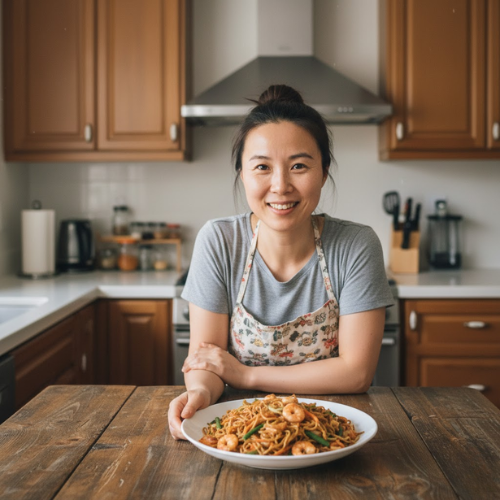
Hi, I’m Jessica Miller, the creator behind Taste Bud Tyrant. Before you get intimidated by the name, let me explain. I am not actually tyrannical. I am just deeply opinionated about flavor. If a dish is bland, I will say it. If a sauce needs acid, I will add it. If something can be bolder, brighter, or better balanced, I will not stop until it is.
