
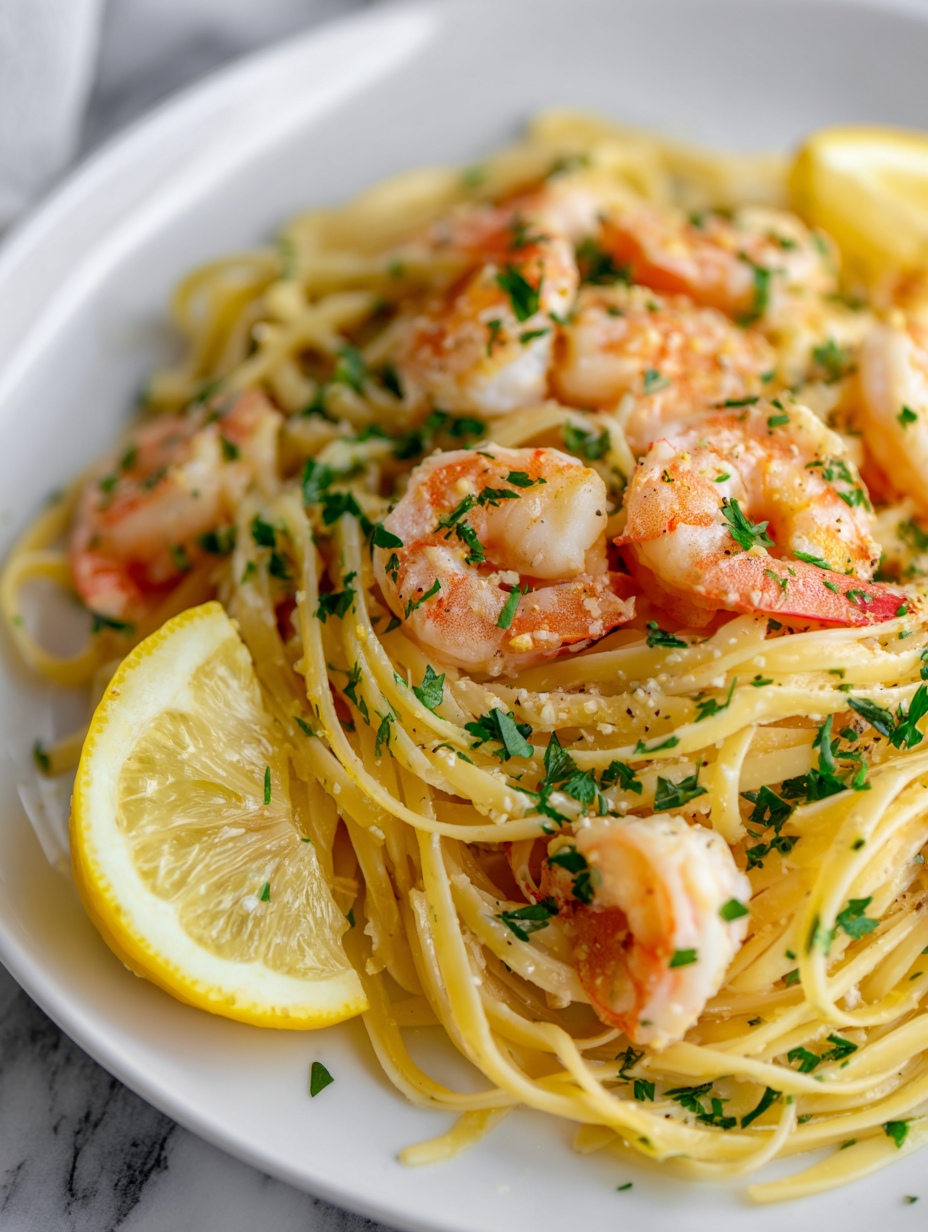
Shrimp scampi pasta isn’t just about quick comfort—it’s about perfecting that balance of bright lemon, aromatic garlic, and buttery richness that makes every bite feel special. I love how a simple handful of ingredients can come together in a way that feels both elegant and unpretentious, perfect for weeknights or lazy weekends.
What really hooks me is how this dish transforms ordinary shrimp and pasta into something that dances on your palate. It’s not just the flavors, but the way they come together—garlic sizzling in butter, lemon juice shimmering over the shrimp, all coated in a glossy sauce that clings just right. It’s a reminder that sometimes, the simplest meals are the most satisfying.
This recipe is my go-to when I crave something flavorful but don’t want to fuss. It’s a dish that encourages you to taste, adjust, and trust your instincts—no fancy techniques needed. Just good ingredients, a little attention, and a lot of love for those familiar, comforting flavors.
This recipe focuses on the overlooked importance of the sauce’s balance—how the lemon, garlic, and butter come together to create a symphony of bright, savory, and slightly smoky flavors that elevate simple shrimp and pasta into something memorable.
The overlooked art of balance
- I love how this dish reminds me of my grandmother—simple, bright, and full of life, no matter how hectic the day.
- There’s a chaotic joy in squeezing that lemon fresh just before serving, feeling all the zest burst out in one go.
- It’s strangely satisfying how the garlic sizzles and turns golden, filling the kitchen with that irresistible aroma.
- Honestly, I feel a tiny bit proud every time I master that perfect, glossy sauce that coats every strand of pasta.
- Sometimes, I just need this meal—comforting yet vibrant, a quick reminder that good food doesn’t have to be complicated.
The story behind this recipe
- I first fell for shrimp scampi when I was trying to impress a date with a simple pasta dish. The way the garlic, butter, and lemon came together in that sizzling pan felt like magic—quick, fragrant, and so satisfying. It’s one of those recipes that’s easy to mess up if you rush, but when it’s right, it sings.
- One night, I accidentally doubled the garlic and added a splash of white wine just for fun. That unexpected twist made me realize how flexible this dish can be—your kitchen experiment can turn into a favorite. It’s a reminder that even simple ingredients have room to surprise you if you’re willing to play.
- heading: ‘The unexpected charm of simplicity’
Historical and cultural notes
- Shrimp scampi originated in Italy, with ‘scampi’ referring to the langoustine or Dublin Bay prawn, not shrimp. The dish evolved as a simple, flavorful way to prepare seafood with butter, garlic, and lemon.
- In American kitchens, shrimp scampi became popular in the early 20th century, especially in New York City, where Italian immigrants adapted their traditional recipes to local ingredients and tastes.
- The classic technique involves quickly sautéing shrimp in butter and garlic, then finishing with lemon juice, making it a quick yet indulgent dish that’s become a staple in many homes.
- Despite its Italian roots, the dish’s popularity soared in the U.S., especially during the post-war era when seafood became more accessible and cooking at home gained popularity.
Key ingredients and tips
- Shrimp: I prefer large, raw shrimp with their shells removed—it’s the sweet, briny bite I chase. If yours are smaller, just sauté a little longer to get that perfect pink hue.
- Garlic: Fresh, thinly sliced garlic hits differently—fragrant and golden in seconds. Skip pre-minced to avoid that dull, stored flavor, and watch it closely during cooking.
- Lemon: Bright, zesty lemon juice pulls this dish together. I like to zest first—then squeeze for maximum citrus punch. Use bottled lemon if fresh isn’t handy, but fresh is best.
- Butter: Unsalted, European-style butter makes the sauce silky and rich. If you only have regular butter, just add a pinch of salt at the end to balance the richness.
- White wine: A splash of dry white wine adds depth—think citrusy and slightly smoky. If you skip it, a little chicken broth works, but you’ll miss that subtle complexity.
- Pasta: I reach for linguine or spaghetti—something that holds onto the sauce. Cook just shy of al dente, so it finishes absorbing all that flavorful goodness when tossed.
- Red pepper flakes: A pinch brings a gentle heat—don’t go overboard unless you want a spicy kick. Adjust to your taste, it’s the secret to elevating the dish’s brightness.
Spotlight on key ingredients
Lemon:
- Shrimp: I prefer large, raw shrimp with their shells removed—it’s the sweet, briny bite I chase. If yours are smaller, just sauté a little longer to get that perfect pink hue.
- Garlic: Fresh, thinly sliced garlic hits differently—fragrant and golden in seconds. Skip pre-minced to avoid that dull, stored flavor, and watch it closely during cooking.
- Bright, zesty lemon juice pulls this dish together. I like to zest first—then squeeze for maximum citrus punch. Use bottled lemon if fresh isn’t handy, but fresh is best.
Butter & White Wine:
- Butter: Unsalted, European-style butter makes the sauce silky and rich. If you only have regular butter, just add a pinch of salt at the end to balance the richness.
- White wine: A splash of dry white wine adds depth—think citrusy and slightly smoky. If you skip it, a little chicken broth works, but you’ll miss that subtle complexity.
Notes for ingredient swaps
- Seafood swap: Replace shrimp with scallops or firm white fish like cod. They cook quickly and keep the dish light, but may alter the texture slightly.
- Dairy-Free: Use olive oil instead of butter for a vegan version. It won’t be as rich but adds a lovely fruity note.
- Gluten-Free: Swap regular pasta for rice noodles or gluten-free spaghetti. Keep in mind, these absorb sauce differently and may need less cooking time.
- Lemon: Bottled lemon juice can stand in for fresh if pressed for time, but the fresh zest really brightens the dish’s aroma.
- White Wine: Use chicken broth or a splash of apple cider vinegar diluted with water. It adds acidity without alcohol, though less depth.
- Garlic: Granulated garlic or garlic powder works in a pinch, but the fresh slices release more aroma and flavor during cooking.
- Herbs: Fresh parsley or basil can be replaced with dried versions—use less, about a teaspoon, as dried herbs are more concentrated.
Equipment & Tools
- Large skillet: To cook the shrimp and make the sauce.
- Pasta pot: To boil the pasta.
- Tongs: To toss and serve the pasta.
- Sharp knife: To slice garlic and zest lemon.
- Lemon zester: To extract lemon zest for brightness.
Step-by-step guide to shrimp scampi pasta
- Gather your equipment: a large skillet (preferably stainless steel or cast iron), a pasta pot, tongs, a sharp knife, and a lemon zester. Boil water in the pasta pot with a generous pinch of salt, cook pasta until just shy of al dente (about 8 minutes at 100°C/212°F), then drain, reserving a cup of pasta water.
- Meanwhile, peel and devein about 1 pound of large shrimp. Pat them dry and set aside. Thinly slice 4-5 garlic cloves, and zest and juice one lemon. Have your butter (about 4 tbsp) ready, preferably unsalted, cut into chunks.
- Heat the skillet over medium-high heat (around 180°C/356°F). Add 2 tbsp of butter and a splash of olive oil. When the butter melts and bubbles, toss in the garlic slices. Sauté for about 30 seconds, until fragrant and golden, but not browned—look for a golden hue and a fragrant aroma.
- Add the shrimp to the pan in a single layer. Cook for 2-3 minutes on one side, until they turn pink and opaque. Flip and cook another 1-2 minutes. Shake in a pinch of red pepper flakes if desired. Shrimp should be firm and juicy, with a slight bounce when pressed.
- Deglaze the pan with ¼ cup of dry white wine (or chicken broth if skipping alcohol). Let it simmer for about 2 minutes, allowing the liquid to reduce slightly, and the aromas to deepen. The shrimp should shimmer in the sauce, with a bright lemon scent.
- Reduce heat to medium. Add the remaining butter, lemon juice, and a splash of reserved pasta water (about ¼ cup). Toss the cooked pasta into the sauce, stirring gently to coat evenly. The sauce should cling glossy and slightly silky, with a lemon-bright aroma.
- Taste and adjust salt, pepper, or lemon as needed. Let it cook for another minute until everything is hot and well combined. Transfer to a serving dish promptly for the best texture and flavor. Garnish with fresh parsley if you like.
- Rest the pasta for 1-2 minutes before serving. Plate in warm bowls, drizzling any extra sauce from the pan. Serve immediately, enjoying the fragrant, buttery, citrusy aroma with a slight crunch from the tender shrimp.
Serve immediately while hot, garnished with fresh herbs if desired. Toss gently to combine flavors before plating. The sauce should be silky and cling to every strand of pasta, with the shrimp still juicy and tender.
How to Know It’s Done
- Shrimp are pink, opaque, and firm to the touch.
- Garlic is fragrant and golden, not burnt or bitter.
- Sauce is glossy, well-coated, with a bright lemon aroma.
Shrimp Scampi Pasta
Ingredients
Equipment
Method
- Bring a large pot of salted water to a boil and cook the pasta until just shy of al dente, about 8 minutes. Drain, reserving a splash of pasta water, and set aside.
- While the pasta cooks, peel and devein the shrimp if not already done. Pat them dry with a paper towel, then set aside.
- Slice the garlic thinly, zest the lemon, and juice it, keeping the zest and juice separate. Measure out butter, wine, and olive oil to have everything ready.
- Heat a large skillet over medium-high heat, then add the olive oil and a tablespoon of butter. Once the butter melts and begins to foam, add the sliced garlic. Sauté for about 30 seconds until fragrant and golden, making sure not to burn it.
- Add the shrimp in a single layer, cooking for 2-3 minutes until they turn pink and opaque. Flip them and cook another 1-2 minutes until fully cooked. They should shimmer and feel firm when pressed.
- Pour in the white wine and let it simmer for about 2 minutes, allowing the liquid to reduce slightly and the flavors to deepen. The shrimp will glisten in the bubbling sauce.
- Reduce the heat to medium and add the remaining butter, lemon juice, and a splash of reserved pasta water. Stir gently to create a glossy, flavorful sauce that coats the shrimp and pan.
- Add the cooked pasta to the skillet, tossing gently to coat it evenly with the sauce. The mixture should be bright, glossy, and fragrant, with the lemon aroma filling the kitchen.
- Taste and season with salt, black pepper, and red pepper flakes if using. Toss again to combine all flavors thoroughly.
- Transfer the pasta to serving plates, garnishing with chopped parsley if desired. Serve immediately while hot, with the sauce shimmering and the shrimp tender.
Pro tips for shrimp scampi
- garlic: Slicing garlic thinly increases surface area, releasing more aroma during sautéing.
- Bright lemon: Zest before juicing to maximize citrus oils, then squeeze for a vibrant burst.
- Butter balance: Use European-style butter for a richer sauce, but add a splash of pasta water if too thick.
- Shrimp timing: Cook until just pink and opaque—overcooking leads to rubbery bites, so keep an eye on color.
- Sauce sheen: Add reserved pasta water gradually—this helps create that glossy, clingy sauce consistency.
- Flavor burst: Deglazing with wine lifts the sauce and adds depth—skip if you prefer a quicker version.
- Pan heat: Keep the skillet at medium-high to develop flavor quickly without burning garlic or overcooking shrimp.
Common mistakes and how to fix them
- FORGOT to adjust heat; shrimp turn rubbery—reduce to medium heat to prevent overcooking.
- DUMPED too much pasta water; keep some for sauce to avoid dryness and stickiness.
- OVER-TORCHED garlic; burn it to bitterness—add garlic later or lower heat if it browns too fast.
- MISSED seasoning balance; taste sauce before serving and adjust lemon or salt accordingly.
Quick fixes for common issues
- When sauce shimmers and coats pasta evenly, it’s ready—don’t wait for it to become too thick.
- Splash some pasta water if sauce is too clumpy or sticky—starches loosen it beautifully.
- Patch overcooked shrimp by adding a squeeze of lemon and a pat of butter—brighten and soften.
- Shield garlic from burning by lowering heat or adding it later in the cooking process.
- When in doubt, swap white wine with chicken broth—keeps the dish flavorful and accessible.
Prep, store, and reheat tips
- Peel and devein shrimp ahead of time; keep refrigerated for up to 24 hours. The quicker the better for freshness and flavor.
- Prepare all your ingredients: zest, juice, garlic slices, and measure butter and wine. Store in small containers or prep bowls to streamline cooking.
- Cook the pasta until just shy of al dente, then rinse under cold water and toss with a little olive oil. Store in an airtight container for up to 24 hours—reheat gently.
- The lemon juice and zest can be combined in advance, stored in a sealed jar or small container. Bright flavors may mellow slightly after sitting, so taste and adjust before serving.
- Reheat leftovers gently in a skillet over low heat, adding a splash of water or broth to loosen the sauce. The sauce may thicken, so stir frequently until glossy and fragrant again.
Top questions about Shrimp Scampi Pasta
1. Can I use smaller shrimp?
Use large, raw shrimp with shells removed for the best sweetness and briny flavor. Smaller shrimp need a little longer to cook through.
2. Is pre-minced garlic okay to use?
Fresh garlic sliced thinly releases the most aroma and cooks quickly, turning golden and fragrant—skip pre-minced for best flavor.
3. Can I substitute bottled lemon juice?
Lemon juice brightens the dish instantly, and zest adds a fragrant citrus oil. Use fresh lemon for a more vibrant flavor.
4. What if I don’t have European-style butter?
Butter, especially European-style, makes the sauce silky and rich. If you only have regular butter, add a pinch of salt for balance.
5. Can I omit the wine?
A splash of dry white wine adds depth and a slight smoky aroma. If skipping alcohol, substitute with chicken broth, but skip the wine for a different flavor.
6. What pasta works best for this dish?
Cook pasta just shy of al dente (about 8 minutes). It will finish absorbing flavors when tossed in the sauce.
7. Should I add red pepper flakes?
Add a pinch of red pepper flakes for subtle heat—adjust to your spice tolerance, but don’t overdo it on the first try.
8. Is deglazing necessary?
Deglazing with wine lifts the flavors from the pan, adding depth. It’s optional but highly recommended.
9. How do I know when it’s ready to serve?
Serve immediately while the sauce is glossy and the shrimp are juicy. Garnish with herbs if desired for extra freshness.
10. Can I prepare this dish ahead?
Reheat leftovers gently in a skillet with a splash of water or broth, stirring until sauce regains glossiness and aroma.
This dish is a reminder that simplicity, when balanced well, can be truly satisfying. The bright lemon and fragrant garlic make every bite lively, even on the busiest nights.
Cooking this meal feels like a small act of care—bright, quick, and full of honest flavors. It’s the kind of dish that leaves you feeling a little more connected to what’s on your plate.
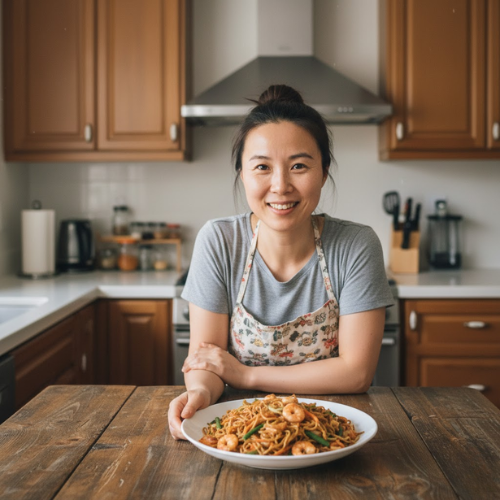
Hi, I’m Jessica Miller, the creator behind Taste Bud Tyrant. Before you get intimidated by the name, let me explain. I am not actually tyrannical. I am just deeply opinionated about flavor. If a dish is bland, I will say it. If a sauce needs acid, I will add it. If something can be bolder, brighter, or better balanced, I will not stop until it is.
