
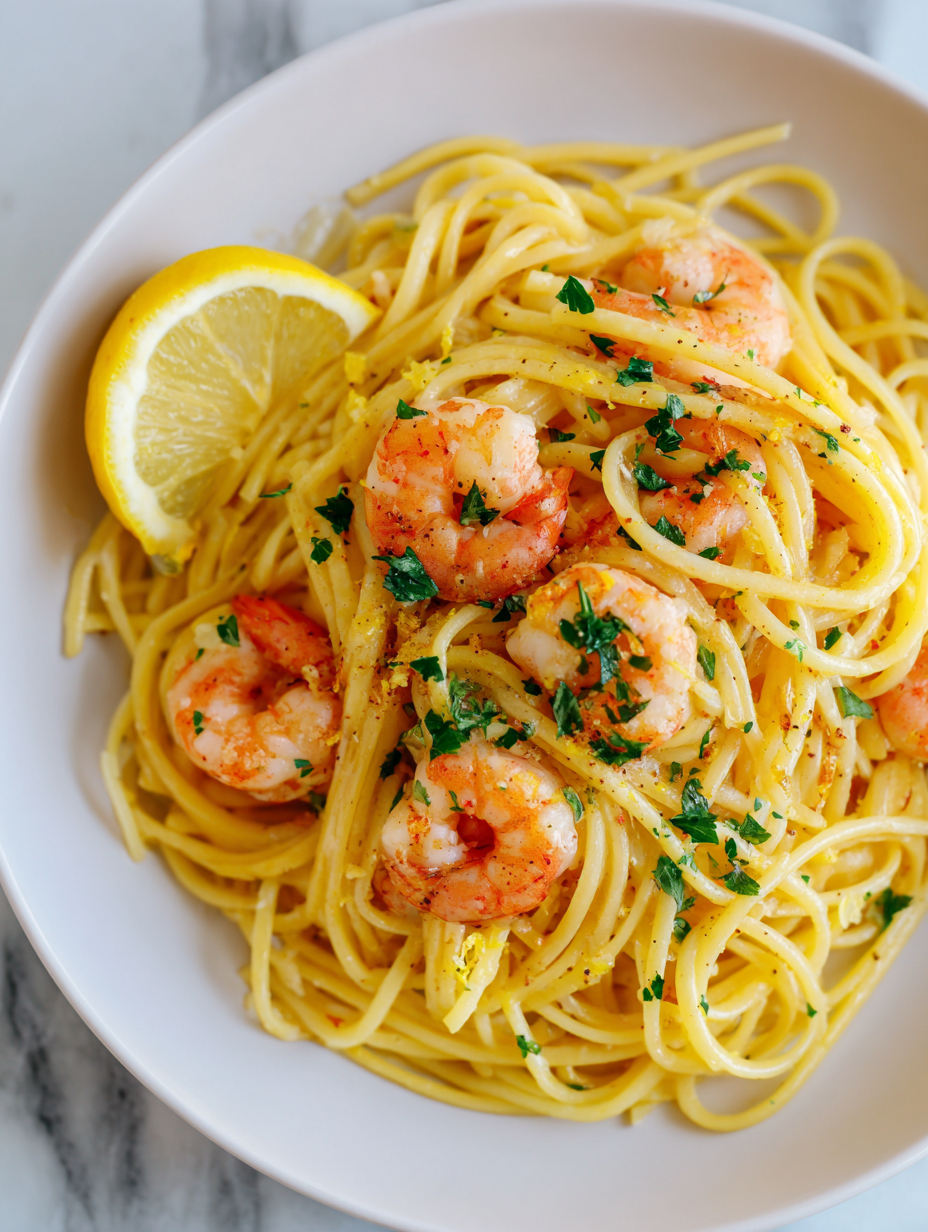
This shrimp lemon pasta is my go-to when I want something bright and satisfying without fuss. It’s like a little secret I keep in my back pocket for quick dinners that taste like I fussed more than I did. The lemon cuts through the richness of the shrimp, giving every bite a zing that lifts your whole mood.
What I love about this dish is how straightforward it is—no complicated sauces or long prep times. Just good pasta, tender shrimp, and a splash of lemon juice that makes everything feel fresh and lively. It’s perfect for those nights when you need comfort but also want a little brightness to brighten your table.
Plus, it’s one of those recipes that feels fancy enough for guests but simple enough for a weeknight. It’s like a little kitchen secret, a shortcut to something that feels a bit special. Every time I make it, I’m reminded how a few good ingredients can turn into a meal that feels like a tiny celebration.
Focusing on the balance of bright lemon and tender shrimp in a quick, comforting pasta that feels like a kitchen secret shared among friends.
A Secret to Bright, Tender Seafood
- This dish reminds me of summer evenings at my grandma’s house, laughing over fresh lemon and crispy pasta.
- I get a little thrill each time the shrimp turn perfectly pink, it’s that moment when everything just clicks.
- Honestly, cooking this feels like a small act of rebellion—bright, quick, and full of flavor, even on my busiest days.
- There’s a quiet pride in mastering that perfect lemon squeeze without it turning bitter or overpowering.
- Every time I make this, I feel like I’ve discovered a tiny, secret shortcut to happiness in my kitchen.
A Shortcut to Bright Flavors
This recipe was born out of a weekend spent rummaging through my fridge, hunting for something quick but flavorful. I realized I had a handful of shrimp and a lemon that needed using up, and suddenly, I was dreaming up a pasta that balances that zingy brightness with tender seafood. It’s funny how a simple leftover inspiration can turn into a dish I crave all the time now. Every time I make it, I think about how straightforward ingredients can come together to make something truly satisfying.
Trivia and Historical Touchpoints
- This dish combines Mediterranean coastal flavors, inspired by seaside towns where lemon and seafood are staples.
- Historically, lemon was used to preserve seafood in ancient times, which may have influenced bright lemon-based pasta recipes.
- Shrimp became a popular protein in Italian-American cuisine in the early 20th century, blending rustic seafood with quick pasta dishes.
- The balance of citrus and seafood in pasta dishes reflects a long tradition of using fresh, local ingredients for vibrant flavor.
Key Ingredients Breakdown
- Shrimp: I prefer deveined, tail-on shrimp for easy eating and a better texture; look for plump, pink ones that feel firm and smell subtly of the sea—skip the rubbery or discolored.
- Lemon: Bright, fresh lemon juice is essential; I squeeze just before adding to keep the flavor lively—if your lemon is dull or too sour, add a touch of zest for extra zing.
- Garlic: Fresh garlic cloves bring a warm, spicy aroma; I crush and sauté until golden—be careful not to burn it, or it turns bitter, so keep the heat moderate.
- Olive oil: Use good quality extra virgin for richness—its fruity note helps balance the acidity of the lemon and the sweetness of the shrimp; skip cheap oils that taste flat or greasy.
- Pasta: I like linguine or fettuccine; cook until just al dente—look for a slight bite that won’t turn mushy when tossed with the sauce, and save some pasta water for thinning if needed.
- Parsley: Fresh chopped parsley adds a herbal freshness—toss it in at the end for a vibrant hit; dried or wilted parsley won’t give the same lively lift.
- Red pepper flakes: Just a pinch for a gentle heat—add more if you like it fiery, but be cautious; the goal is a subtle warmth that complements, not overwhelms.
Spotlight on key ingredients
Shrimp:
- I prefer deveined, tail-on shrimp for easy eating and a better texture; look for plump, pink ones that feel firm and smell subtly of the sea—skip the rubbery or discolored.
- Lemon: Bright, fresh lemon juice is essential; I squeeze just before adding to keep the flavor lively—if your lemon is dull or too sour, add a touch of zest for extra zing.
Lemon:
- Bright, fresh lemon juice is essential; I squeeze just before adding to keep the flavor lively—if your lemon is dull or too sour, add a touch of zest for extra zing.
- Bright, fresh lemon juice is essential; I squeeze just before adding to keep the flavor lively—if your lemon is dull or too sour, add a touch of zest for extra zing.
Notes for ingredient swaps
- Seafood Swap: Use scallops or firm white fish instead of shrimp. They’ll soak up the lemon and stay tender, but may need slightly less cooking time.
- Dairy-Free: Skip the butter or cream—just add a splash of olive oil for richness. The dish stays bright and lively without dairy’s creaminess.
- Gluten-Free: Swap regular pasta for rice or corn-based noodles. Keep an eye on cooking time, as they might need less or more than wheat pasta.
- Vegan Version: Use plant-based shrimp alternatives or grilled tofu. Skip the lemon juice or add a splash of vegan-friendly vinegar for brightness.
- Lemon Sub: Lime juice can replace lemon for a slightly different, more tropical tang. It’s a good way to switch things up while keeping that zing.
- Herb Boost: Fresh basil or chives can replace parsley. They’ll add a different herbal note, but keep the bright, fresh vibe.
- Oil Choice: Switch to avocado or walnut oil for a different flavor profile. Just keep in mind they might add a nuttier or more robust note.
Equipment & Tools
- Large sauté pan: Cook shrimp and sauce evenly
- Pot for boiling pasta: Cook pasta to the right texture
- Tongs: Toss and serve pasta without breaking it
- Zester or microplane: Extract bright lemon zest
- Chef’s knife: Prep garlic, lemon, and parsley
- Measuring cup: Measure lemon juice and pasta water
Step-by-step guide to Shrimp Lemon Pasta
- Equipment & Tools: Use a large sauté pan (about 30cm or 12 inches) for even cooking; a pot for boiling pasta; tongs for tossing; a zester or microplane for lemon zest; a sharp chef’s knife for prep; a measuring cup for liquids.
- Bring a generously salted pot of water to a boil (about 100°C/212°F). Cook pasta until just al dente, about 8 minutes. Drain, reserving ½ cup pasta water.
- While pasta cooks, peel and devein shrimp if needed. Pat dry. Mince garlic finely. Zest lemon first—set zest aside. Juice lemon into a small bowl.
- Heat the sauté pan over medium (about 160°C/320°F). Add 2 tbsp olive oil, swirl to coat. Once shimmering, add shrimp. Cook for 2-3 minutes per side until pink and opaque. Remove and set aside.
- In the same pan, add a little more oil if needed. Sauté garlic until fragrant, about 30 seconds – look for a golden hue and smell that warm, spicy aroma. If garlic burns, reduce heat or add a splash of water.
- Pour in lemon juice, scraping up browned bits from the pan. Let it simmer for 1 minute, smell for bright citrus. Add cooked pasta to the pan. Toss to coat, adding reserved pasta water a tablespoon at a time if sauce is too thick.
- Return shrimp to the pan. Add lemon zest, chopped parsley, and red pepper flakes. Toss gently for 30 seconds, watch for a glossy, vibrant sauce that clings well. Adjust seasoning with salt if needed.
- Turn off heat. Rest the pasta for 1 minute to allow flavors to meld. Plate immediately, garnishing with extra parsley or lemon zest if desired. Serve hot, with a slight shimmer of oil or lemon on top.
Let the pasta rest for a minute after tossing. Garnish with extra parsley or lemon zest if desired. Serve immediately while bright and warm, with a drizzle of good olive oil for shine.
How to Know It’s Done
- Shrimp are pink, firm, and opaque, with a slight bounce when pressed.
- Pasta is al dente, with a slight bite, and sauce coats each strand without pooling.
- Lemon aroma is bright and fresh, with a balanced citrus flavor that isn’t overpowering.
Shrimp Lemon Pasta
Ingredients
Equipment
Method
- Bring a large pot of salted water to a rolling boil. Add the pasta and cook until just al dente, about 8 minutes. Drain, reserving ½ cup of the pasta water, and set aside.
- While pasta cooks, peel and devein the shrimp if needed, then pat them dry. Mince the garlic cloves finely. Zest the lemon first, then juice it into a small bowl, removing any seeds.
- Heat a large sauté pan over medium heat and add 2 tablespoons of olive oil. Once shimmering, add the shrimp and cook for about 2-3 minutes per side until pink and opaque. Remove the shrimp from the pan and set aside.
- In the same pan, add a little more olive oil if needed and sauté the minced garlic until fragrant, about 30 seconds. It should smell warm and spicy, and the garlic will turn a light golden color.
- Pour the lemon juice into the pan, scraping up any browned bits from the bottom. Let it simmer gently for about 1 minute, filling the kitchen with fresh citrus aroma.
- Add the cooked pasta to the pan, tossing gently to coat each strand with the lemony sauce. If the sauce seems thick, add a splash of the reserved pasta water to loosen it up and create a silky coating.
- Return the cooked shrimp to the pan, adding the lemon zest, chopped parsley, and red pepper flakes. Toss everything together for about 30 seconds, allowing the flavors to meld and the sauce to turn glossy and vibrant.
- Turn off the heat and let the pasta rest for a minute to let the flavors settle. Taste and adjust seasoning with salt if needed. Finish with a drizzle of olive oil or an extra squeeze of lemon for brightness.
- Serve immediately, garnished with additional parsley or lemon zest if desired. Enjoy the bright, tender shrimp and lively pasta that come together effortlessly in this dish.
Notes
Pro tips for perfect shrimp lemon pasta
- Use high heat to get a quick sear on the shrimp, locking in juices and avoiding rubberiness.
- Add lemon juice off the heat to keep the bright, fresh flavor vibrant—avoid cooking it too long.
- Toss the pasta in reserved water for a silky, cohesive sauce—starch helps everything cling together.
- Sauté garlic just until fragrant—golden and spicy, but not browned—burnt garlic adds bitterness.
- Rest the pasta for a minute after tossing—allows flavors to meld and prevents clumping on the plate.
- Finish with a squeeze of lemon and a drizzle of olive oil—brightens and adds a glossy shine.
- Use a large pan to toss everything—more room for even coating and avoiding overstuffing.
Common mistakes and how to fix them
- FORGOT to adjust heat after adding lemon juice—keep it simmering gently to avoid bitterness.
- DUMPED all pasta water at once—add it gradually until sauce reaches desired consistency.
- OVER-TORCHED shrimp—remove from pan immediately once pink, or they turn rubbery.
- USED cold shrimp—cook shrimp directly from fridge, or they won’t sear properly.
Quick fixes and pantry swaps
- When sauce is too thin, splash in more pasta water and stir vigorously.
- Splash cold water on overcooked shrimp to stop the cooking instantly.
- Patch a dull lemon by adding a pinch of lemon zest for brighter flavor.
- Shield delicate shrimp from burning by lowering heat immediately after searing.
- If sauce shimmers with oil but lacks flavor, add a tiny squeeze of lemon for zing.
Prep, store, and reheat tips
- Cook the pasta ahead and toss with a little oil to prevent sticking; store in an airtight container in the fridge for up to 2 days. Reheat in hot water or microwave until just warm, watching for overcooking.
- Peel and devein the shrimp in advance; keep covered and refrigerated for up to 1 day. Use them directly from cold—cooking from chilled helps prevent overcooking and keeps them tender.
- Prepare lemon juice and zest ahead; store separately in a small jar in the fridge for up to 2 days. Bright, fresh lemon flavor may soften slightly but will still add zing when combined.
- Chop parsley and measure red pepper flakes ahead; keep in small containers in the fridge for up to 2 days. Fresh herbs lose some vibrancy but still add flavor and color when added just before serving.
- For leftovers, keep the assembled dish in an airtight container in the fridge for up to 1 day. Reheat gently in a skillet over low heat, adding a splash of pasta water or olive oil to revive the sauce’s gloss and brightness.
Top questions about Shrimp Lemon Pasta
1. How do I pick the best shrimp?
Choose fresh, firm shrimp with a slight sea smell. They should be pink and plump, not rubbery or discolored.
2. Can I use bottled lemon juice?
Use freshly squeezed lemon juice just before adding; it keeps the bright, tangy flavor lively in the dish.
3. How do I know when the pasta is done?
Cook the pasta until just al dente, about 8 minutes; it should have a slight bite and hold its shape well.
4. How long should I cook the garlic?
Sauté garlic until fragrant and golden, about 30 seconds; burnt garlic turns bitter, so watch carefully.
5. Should I add lemon juice during or after cooking?
Add lemon juice off the heat to preserve its brightness and prevent bitterness in the sauce.
6. Why save pasta water?
Reserve some pasta water before draining; it’s starchy and helps create a silky, well-coated sauce.
7. When should I serve the pasta?
Serve immediately after tossing; the sauce is best when fresh, with a glossy, vibrant appearance and fragrant lemon aroma.
8. Can I use a different oil?
Use good quality extra virgin olive oil for richness and flavor. It helps balance the acidity of the lemon.
9. What are good substitutions for lemon?
Replace lemon with lime for a slightly different citrus note, or add a splash of vinegar for extra brightness.
10. How do I avoid overcooking the shrimp?
Overcooking shrimp makes them rubbery. Remove them from heat once they turn pink and opaque, about 2-3 minutes per side.
This dish is a little reminder that bright flavors can come together quickly and effortlessly. It’s perfect for when you want something satisfying but still fresh and lively on the plate. A simple pasta that feels like a special secret, shared quietly in the kitchen.
Every time I make this, I appreciate how straightforward ingredients create something that feels celebratory. It’s a reminder that good food doesn’t need to be complicated—just honest, fresh, and well-executed. Sometimes, that’s all you need for a truly memorable meal.
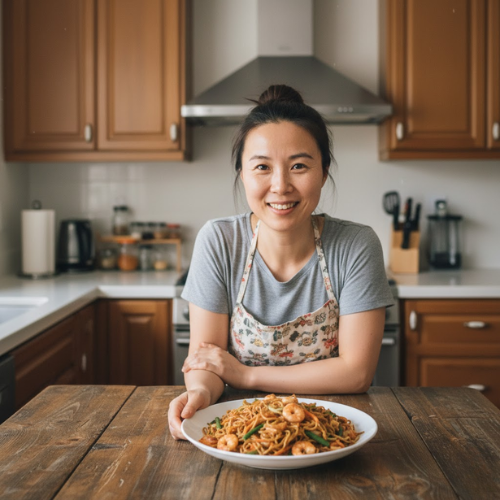
Hi, I’m Jessica Miller, the creator behind Taste Bud Tyrant. Before you get intimidated by the name, let me explain. I am not actually tyrannical. I am just deeply opinionated about flavor. If a dish is bland, I will say it. If a sauce needs acid, I will add it. If something can be bolder, brighter, or better balanced, I will not stop until it is.
