
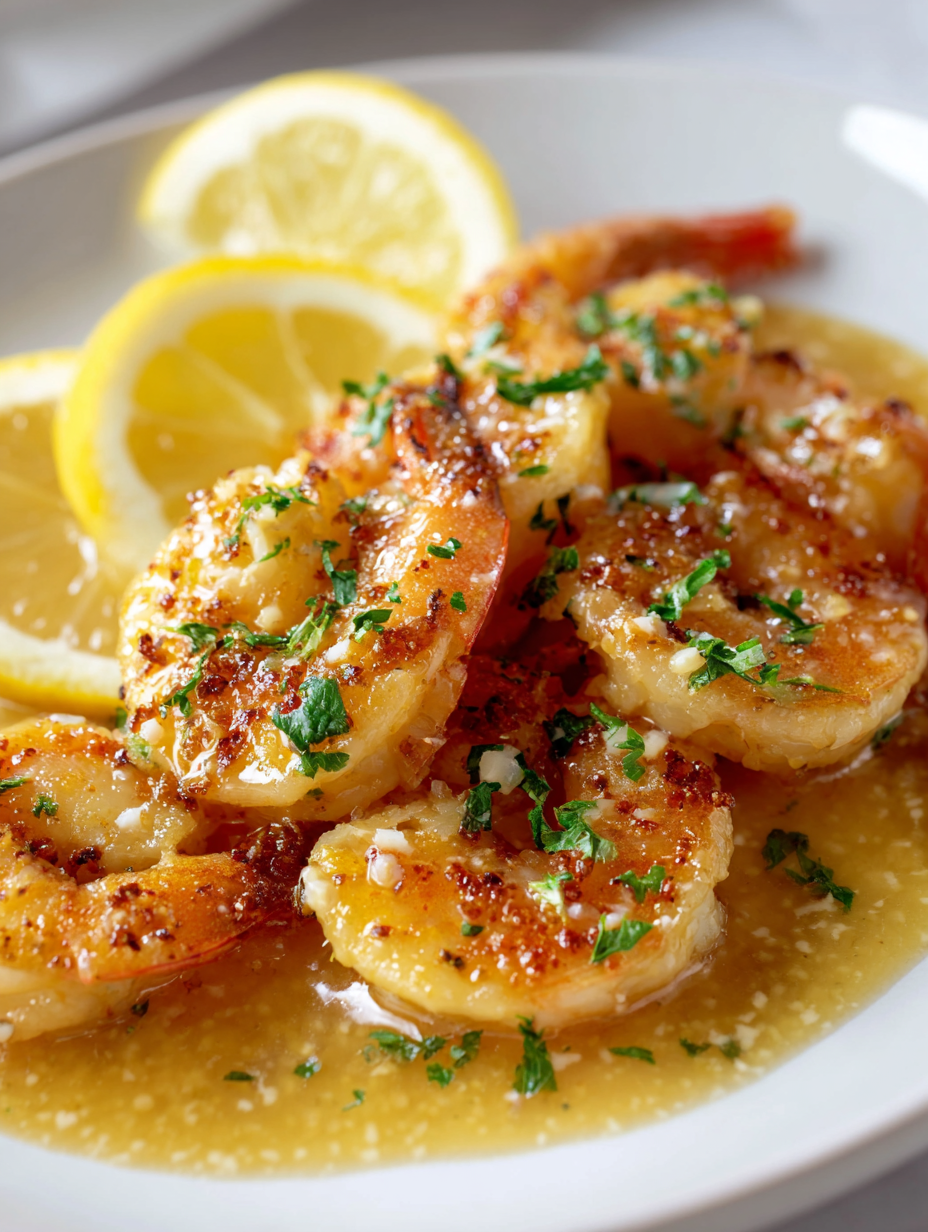
What I love most about Shrimp Francese is how it balances the bright, zingy lemon juice with the richness of the butter and crispy coating. It’s like a little symphony in your mouth, where each bite feels lively yet comforting. Making this dish feels almost like a small celebration—simple ingredients, but when paired right, it really shines.
There’s something about the way the lemon cuts through the buttery sauce that makes me smile every time. It’s a dish I turn to when I want something quick, yet special enough to serve to friends or family. It’s a reminder that even humble shrimp can turn into something vibrant and memorable with just a few well-chosen ingredients.
Focusing on the delicate balance of acidity and richness that makes Shrimp Francese stand out, I want to explore how the lemon juice’s brightness cuts through the buttery, crispy coating. It’s about celebrating the humble lemon as the unsung hero, transforming each bite into a lively dance of flavors. This dish isn’t just comfort food; it’s a reminder that simple ingredients, when paired thoughtfully, can create a surprisingly vibrant experience.
The Lemon Brightness Secret
- This dish reminds me of my grandmother’s kitchen, where every lemon squeeze felt like a small celebration.
- I love how the bright citrus lifts even the gloomiest dinner mood, making everything feel a bit more alive.
- There’s a chaotic joy in perfectly timing the crispy coating and the lemon sauce—like a tiny, delicious dance.
- Seeing the golden shrimp sizzle in butter always makes me smile, a simple pleasure that’s worth every pan wash.
The inspiration behind this dish
- This recipe was born out of a frustrating moment in my kitchen. I had a bunch of shrimp that needed using, and I wanted something quick, but not boring. I remembered how my mom used to cook fish with a lemony, buttery sauce — that bright, comforting flavor that somehow makes everything feel a little more special. Shrimp Francese just clicked in my head, and I ran with it, tweaking until the sauce felt just right, not too heavy but still rich enough to coat each bite with a zing.
- Every time I make this dish, I think back to those chaotic, joyful cooking sessions alone in my kitchen, feeling like I’m chasing that perfect balance of crisp, citrus, and butter. It’s one of those recipes that feels like a small victory — simple, honest, and deeply satisfying. It’s become my go-to when I want a meal that feels like a quick treat but tastes like I fussed for hours.
- heading:
Trivia and Historical Roots
- Shrimp Francese has roots in Italian-American cuisine, where ‘Francese’ refers to the French-style technique of egg coating before frying.
- The dish likely evolved from classic French cuisine, adapting techniques to suit available ingredients in New York Italian households in the early 20th century.
- Traditionally, the lemon butter sauce in Shrimp Francese was a way to brighten rich, fried seafood, making it more vibrant and appealing.
Key Ingredients and Tips
- Shrimp: I prefer large, fresh shrimp with firm flesh—sizzles nicely and stays juicy. Swap for peeled, deveined if you like less prep, but fresh gives a better sear.
- Eggs: I use large eggs for a smooth, even coating. If you only have smaller eggs, add a splash of water to loosen the batter slightly.
- Flour: I go for all-purpose flour—crisp and light. If you need gluten-free, try rice flour or cornstarch for a similar crunch.
- Lemon juice: Bright, zesty, and essential. I squeeze fresh lemons just before cooking to keep that zing vivid. Bottled works in a pinch, but fresh is best.
- Butter: I use plenty of unsalted butter for richness and that nutty aroma. Olive oil can be a lighter alternative, but butter adds depth and a silky finish.
- White wine (optional): Adds a subtle acidity and complexity. Skip if you prefer a non-alcoholic version, but it enhances the sauce’s brightness.
- Parsley: Fresh chopped parsley adds a clean, herbal note. Dried parsley won’t give the same vibrancy, so fresh is worth the squeeze.
Spotlight on key ingredients
Shrimp:
- I prefer large, fresh shrimp with firm flesh—sizzles nicely and stays juicy. Swap for peeled, deveined if you like less prep, but fresh gives a better sear.
- Lemon juice: Bright, zesty, and essential. I squeeze fresh lemons just before cooking to keep that zing vivid. Bottled works in a pinch, but fresh is best.
Herbs & Fats:
- Butter: I use plenty of unsalted butter for richness and that nutty aroma. Olive oil can be a lighter alternative, but butter adds depth and a silky finish.
- Parsley: Fresh chopped parsley adds a clean, herbal note. Dried parsley won’t give the same vibrancy, so fresh is worth the squeeze.
Notes for ingredient swaps
- Seafood Swap: Craving something other than shrimp? Try scallops or firm fish fillets. They sear beautifully and hold up well, but keep an eye on cooking times—they might need a bit less or more heat.
- Gluten-Free Flour: Switch to rice flour or cornstarch for a crisp coating. Just be mindful that the texture might be slightly lighter and less tender than with all-purpose flour.
- Lemon Juice: No fresh lemons? Bottled lemon juice can work in a pinch but will lack that bright, zesty punch. Use sparingly and taste as you go.
- Butter Alternative: Olive oil or a light neutral oil can replace butter for a healthier, less rich version. The flavor will be less nutty, but still good for a quick, dairy-free tweak.
- White Wine: Skip or replace with chicken broth or apple cider vinegar diluted with water. It adds a subtle acidity—without it, the sauce might need a splash more lemon for brightness.
- Parsley: Dried parsley can substitute fresh, but it won’t give the same fresh herbal pop. If using dried, halve the amount to avoid overpowering the sauce.
- Egg Coating: If eggs are a concern, try a thin layer of cornstarch or just a quick dip in seasoned flour. The coating might be slightly less tender but still crispy.
Equipment & Tools
- Large skillet: Sear the shrimp evenly and create a flavorful base for the sauce.
- Shallow dishes: Hold flour and egg wash for easy dredging.
- Tongs: Handle delicate shrimp and flip without breaking coating.
- Ladle or spoon: Serve and spoon sauce over shrimp.
- Lemon squeezer: Extract maximum brightness from lemons.
Step-by-step guide to Shrimp Francese
- Equipment ready: use a large skillet (preferably non-stick) for even heat distribution and easy maneuvering. Have a shallow dish for flour, a bowl for eggs, and tongs for flipping.
- Prepare shrimp: peel, devein, and pat dry. Season lightly with salt and pepper. Set aside.
- Set up dredging station: place flour in one shallow dish, beaten eggs in another. Keep nearby for quick assembly.
- Heat skillet over medium heat (~160°C/320°F). Add 2 tbsp butter and 2 tbsp olive oil. Wait until butter foams and turns slightly nutty aroma fills the air.
- Dip shrimp in flour, then in egg wash, allowing excess to drip off. Carefully place in hot skillet. Cook in batches if needed.
- Cook shrimp for about 2-3 minutes per side. They should turn golden, firm, and slightly curled. Flip gently to avoid breaking coating.
- Remove cooked shrimp and keep warm. Add a splash of white wine (if using) to deglaze pan, scraping up browned bits. Let it reduce slightly, about 1 minute.
- Add 4 tbsp butter to the sauce, swirl until melted and glossy. Squeeze in juice of 1 lemon, stirring to combine. Taste and adjust with more lemon or salt if needed.
- Return shrimp to pan briefly, spoon sauce over them. Cook for another 30 seconds to reheat and coat evenly.
- Rest shrimp for 1 minute. Plate with a drizzle of sauce, garnish with chopped parsley. Serve immediately with lemon wedges.
Let the shrimp rest for 1 minute after cooking. Plate on warm dishes, spoon sauce generously over, and garnish with fresh parsley and lemon wedges for that final zing.
How to Know It’s Done
- Shrimp are golden and crispy on edges.
- Sauce is bright, lemon-y, and slightly thickened.
- Shrimp are cooked through but still juicy, with an internal temp around 60°C/140°F.
Shrimp Francese
Ingredients
Equipment
Method
- Set up your dredging station with a shallow dish of flour and a bowl of beaten eggs. Pat the shrimp dry and season lightly with salt and pepper. Dip each shrimp into the flour, then into the egg wash, ensuring an even coat, and shake off excess.
- Heat a large skillet over medium heat, then add 2 tablespoons of butter and 2 tablespoons of olive oil. Wait until the butter foams and turns a light nutty aroma fills the air—this indicates the fat is hot enough.
- Carefully place the coated shrimp into the hot skillet in a single layer, making sure not to crowd the pan. Cook for about 2-3 minutes per side, until they turn golden brown and crispy, with a slight curl. Use tongs to flip them gently.
- Remove the cooked shrimp from the skillet and set aside on a warm plate. If using wine, pour it into the skillet now to deglaze, scraping up any browned bits from the bottom. Let it simmer for about a minute until slightly reduced.
- Add the remaining 2 tablespoons of butter to the skillet, swirling until melted and glossy. Squeeze in the fresh lemon juice and stir to incorporate, creating a bright, tangy sauce.
- Return the shrimp to the skillet, spooning the sauce over them gently. Cook for another 30 seconds to reheat and coat the shrimp evenly, then remove from heat.
- Transfer the shrimp to serving plates, spooning extra sauce over each portion. Garnish with chopped parsley and serve immediately with lemon wedges for an extra zing.
Notes
Pro tips for perfect Shrimp Francese
- Use room temperature eggs for a smoother batter that adheres evenly to the shrimp.
- When dredging, gently shake off excess flour to prevent clumping and achieve a crisp coating.
- Sear shrimp in batches without crowding the pan; overcrowding lowers heat and makes coating soggy.
- Deglaze the pan with wine or broth immediately after frying shrimp to lift all those tasty browned bits.
- Finish the sauce by swirling in cold butter; it thickens beautifully and adds a shiny, silky gloss.
- Don’t squeeze lemon juice directly over hot pan—wait until just before serving to keep the bright flavor lively.
- Rest cooked shrimp briefly off heat—this keeps them juicy and prevents overcooking.
Common mistakes and how to fix them
- FORGOT to temper the heat: If shrimp curl excessively, lower heat to prevent overcooking.
- DUMPED too much flour: Shake off excess to avoid a heavy coating and uneven browning.
- OVER-TORCHED the butter: If it browns too quickly, reduce heat immediately to prevent bitterness.
- MISSED resting time: Let cooked shrimp rest 1 minute to retain juices and prevent sogginess.
Quick fixes and pantry swaps
- When sauce shimmers, it’s ready—don’t let it boil vigorously.
- Splash cold water on pan if butter browns too fast—rescue, then lower heat.
- Patch overcooked shrimp with fresh lemon juice and a sprinkle of herbs.
- Shield burnt coating by gently scraping with a spatula and starting fresh.
- If sauce is too thick, stir in a splash of warm water or broth for shimmer and looseness.
Prep, store, and reheat tips
- Prep shrimp: peel, devein, and pat dry up to a day ahead. Keep refrigerated in an airtight container for up to 24 hours; they’ll stay plump and fresh.
- Make sauce ahead: prepare the lemon butter mixture and store in the fridge for up to 2 days. Reheat gently, stirring often, until just warm and fragrant.
- Cooked shrimp can be stored in the fridge for 1-2 days. Reheat in a hot skillet with a splash of butter or oil until warmed through—look for a slight sizzle and aroma of lemon and butter.
- Reheating tips: avoid overcooking the shrimp again; they tend to become rubbery. Warm gently and serve immediately for best texture. The sauce may thicken in the fridge—stir in a splash of lemon juice or broth to loosen it up.
Top questions about Shrimp Francese
1. How do I pick the best shrimp?
Fresh shrimp should be firm, pink, and smell slightly briny. Avoid slimy or discolored ones.
2. Can I use bottled lemon juice?
Use freshly squeezed lemon juice for bright flavor. Bottled lemon works, but fresh is more vibrant.
3. How do I tell when shrimp are done?
Cook shrimp until they turn pink and are just firm, about 2-3 minutes per side in the pan.
4. Is wine necessary in the sauce?
Deglazing with wine or broth lifts the browned bits, adding depth. Skip if you prefer non-alcoholic.
5. What temperature should I cook the shrimp at?
Use medium heat (~160°C/320°F). If butter browns too fast, lower the heat to prevent bitterness.
6. How do I avoid overcooking the shrimp?
Overcooked shrimp become rubbery. Remove from heat as soon as they turn pink and are slightly curled.
7. How do I thicken the sauce properly?
Finish the sauce by swirling in cold butter for shine and richness. Add lemon juice last for brightness.
8. Can I make this dish ahead?
You can prepare the lemon butter sauce ahead and reheat gently. Shrimp are best fresh, but leftovers keep for a day.
9. What if the sauce gets too thick?
If the sauce thickens too much, stir in a splash of warm water or broth to loosen it up.
10. How do I get a crispy coating?
If the coating sticks or falls off, shake off excess flour and ensure the oil is hot enough before frying.
This dish, with its bright lemon aroma and crispy shrimp, feels like a little celebration of simple ingredients done right. It’s perfect for those evenings when you want something quick but still want to feel like you’ve pulled off a small culinary feat.
Whenever I make Shrimp Francese, I’m reminded how much flavor can come from just a few honest ingredients. It’s a dish that’s easy to love, whether you’re cooking for yourself or sharing with others — no fuss, just good, honest food.
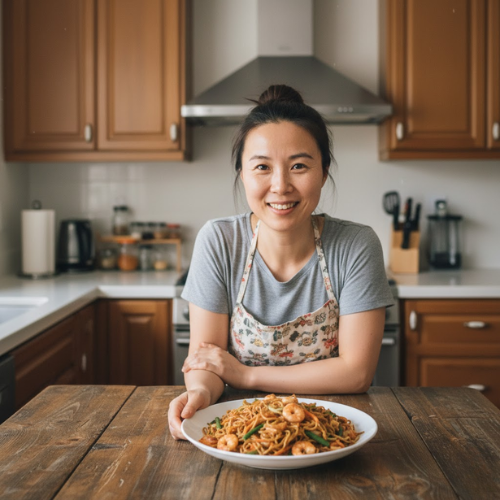
Hi, I’m Jessica Miller, the creator behind Taste Bud Tyrant. Before you get intimidated by the name, let me explain. I am not actually tyrannical. I am just deeply opinionated about flavor. If a dish is bland, I will say it. If a sauce needs acid, I will add it. If something can be bolder, brighter, or better balanced, I will not stop until it is.
