
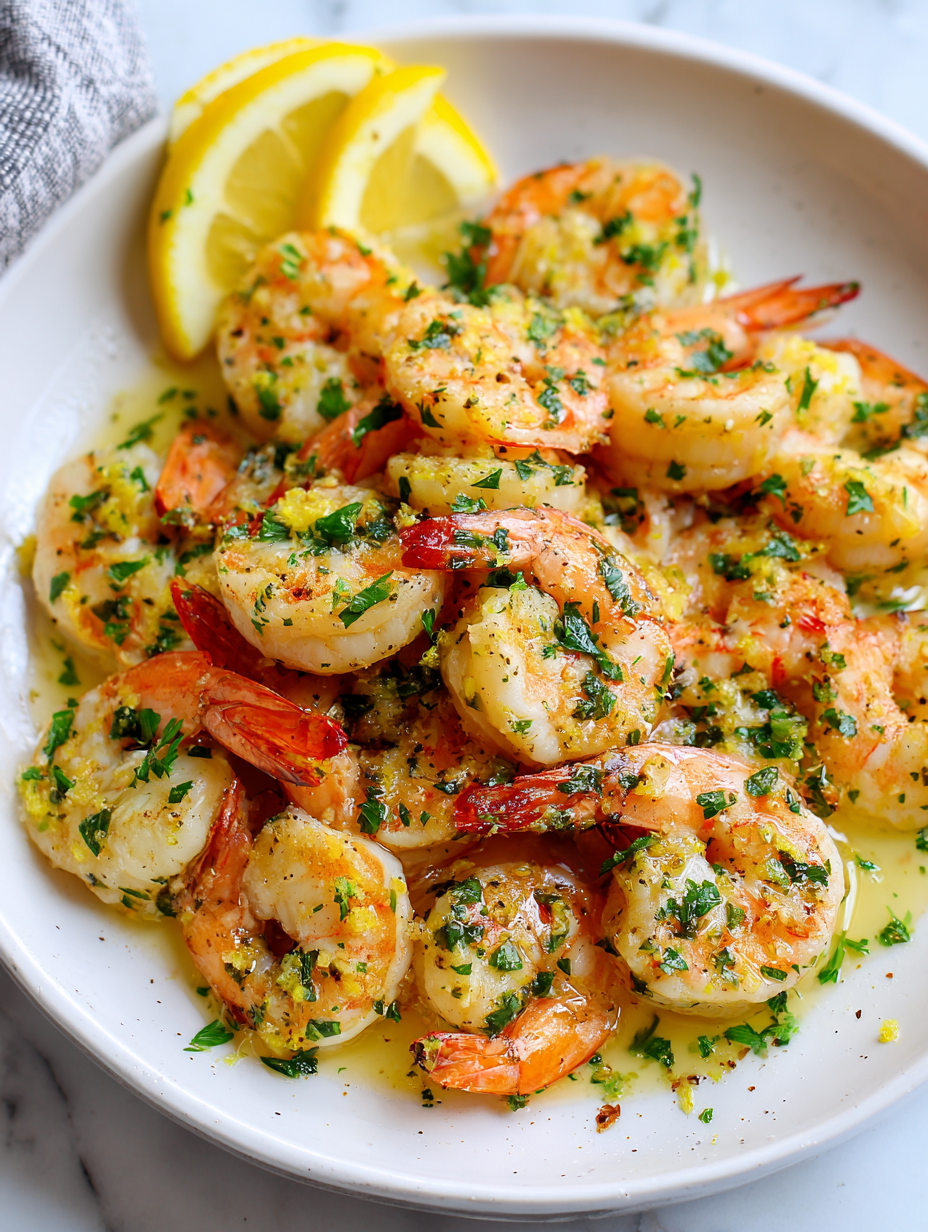
Getting the lemon just right in shrimp scampi is an art I’ve spent years trying to perfect. It’s not just about squeezing juice; it’s about balancing that bright, zesty punch with the richness of butter and garlic. When it all comes together, you get a dish that’s lively, comforting, and surprisingly simple to whip up on a weeknight.
This recipe is my go-to for those nights when I want something quick but doesn’t feel rushed. The key is in the timing—getting the shrimp tender and juicy, the garlic fragrant but not burnt, and the lemon shining through without overpowering. It’s a dance of flavors that requires a light touch, but the payoff is a dish that feels both luxurious and totally doable.
Every time I make this, I think about how lemon can brighten even the dullest winter night. It’s a reminder that a handful of ingredients, well-balanced, can turn a humble protein into something that feels special. Plus, it’s one of those dishes that tastes like a warm hug, but with a citrus twist—perfect for sharing or savoring solo.
Focusing on how to perfectly balance the lemon brightness with the rich, garlicky butter to elevate the shrimp’s natural sweetness.
Balancing Brightness and Richness
- Cooking this dish always reminds me of summer evenings by the water, where the scent of garlic and fresh shrimp mix with salty air.
- I’ve burned more garlic than I care to admit trying to get that perfect fragrant aroma—now I just keep it moving quickly in the pan.
- This recipe came from a messy kitchen experiment that somehow turned into my favorite quick dinner, proof that chaos can lead to something delicious.
- Sharing this with friends makes me feel like a confident home cook, even if I’ve just eyeballed half the ingredients.
- There’s a quiet satisfaction in watching the shrimp turn a perfect pink, knowing I got it just right without overcooking.
The story behind this recipe
- This recipe was born out of a lazy Sunday afternoon when I found a bag of frozen shrimp lingering in the back of the freezer. I wanted something quick, bright, yet satisfying—kind of like a little celebration on a weekday. I started tossing garlic and lemon into butter, and suddenly it clicked: this simple combination hits all the right notes when you’re craving something lively but comforting.
- Every time I make this, I remember the first time my partner tasted it and declared it ‘restaurant-worthy’—which I still tease him about. It’s one of those dishes that feels like a small victory, especially when you nail that perfect balance of lemon brightness and buttery richness. It’s become a Sunday staple, a quick weeknight fix, and sometimes, a spontaneous dinner party hit.
- heading: ‘The spark behind this dish’
Historical and Cultural Roots
- Shrimp scampi as we know it likely originated in Italy, combining the Italian love for garlic and butter with American seafood enthusiasm in the mid-20th century.
- The term ‘scampi’ traditionally refers to a type of lobster or langoustine in Italy, but in the US, it’s come to describe this buttery shrimp dish, showing culinary adaptation over time.
- This dish became popular in New York City’s Italian-American restaurants during the post-war boom, where quick, flavorful seafood dishes gained popularity among busy families.
- The simplicity of shrimp scampi made it a staple for home cooks seeking a quick yet impressive meal, especially as fresh seafood became more accessible in coastal regions.
Key ingredients and tips
- Shrimp: I prefer deveined, tail-on shrimp—adds a touch of elegance and easier to handle when cooking, plus the visual appeal of the tail shimmering in the pan.
- Garlic: Use fresh, thinly sliced cloves to maximize that fragrant, almost nutty aroma. Avoid pre-minced for better flavor and less bitterness.
- Lemon: Bright and zesty, I rely on fresh lemon juice for that lively punch. Skip the bottled stuff unless it’s all you have—fresh is king here.
- Butter: Go for unsalted and let it melt gently; it creates that silky sauce. I sometimes add a splash of olive oil to prevent burning, especially if pan gets too hot.
- White wine: Adds depth and a slight acidity that balances the richness. Use a decent quality dry white—no need to splash out, but avoid cooking with cooking wine.
- Red pepper flakes: Just a pinch for a subtle heat that wakes up the dish without overpowering the shrimp. Adjust to your spice threshold.
- Parsley: Fresh chopped parsley at the end brings a fresh, herbal brightness. It also adds a pop of color that makes the dish inviting.
Spotlight on key ingredients
Shrimp:
- I prefer deveined, tail-on shrimp—adds a touch of elegance and easier to handle when cooking, plus the visual appeal of the tail shimmering in the pan.
- Garlic: Use fresh, thinly sliced cloves to maximize that fragrant, almost nutty aroma. Avoid pre-minced for better flavor and less bitterness.
Lemon and Butter:
- Lemon: Bright and zesty, I rely on fresh lemon juice for that lively punch. Skip the bottled stuff unless it’s all you have—fresh is king here.
- Butter: Go for unsalted and let it melt gently; it creates that silky sauce. I sometimes add a splash of olive oil to prevent burning, especially if pan gets too hot.
Notes for ingredient swaps
- Dairy-Free: Swap butter for a neutral oil like avocado or coconut oil. The sauce will be less creamy but still flavorful and bright.
- Gluten-Free: Use gluten-free pasta or serve over cauliflower rice for a grain-free option that keeps the sauce intact.
- Low-Sodium: Opt for unsalted butter and skip added salt; enhance flavor with extra lemon or herbs instead.
- Vegan: Replace shrimp with firm tofu or king oyster mushrooms sliced thinly; use vegan butter or olive oil for sautéing.
- Herb Variations: Substitute parsley with basil or cilantro for a different herbal note that brightens the dish.
- Lemon Substitute: Use bottled lemon juice if fresh isn’t available, but aim for fresh for that oozy, zingy burst.
- White Wine: Replace with chicken broth or sparkling water for a non-alcoholic, equally zestful sauce.
Equipment & Tools
- Large skillet: For quick, even cooking and searing the shrimp.
- Tongs or spatula: To flip shrimp carefully and toss ingredients.
- Measuring cups and spoons: For accurate liquid and seasoning quantities.
- Knife and cutting board: To prepare garlic, lemon, and parsley.
- Lemon squeezer (optional): To extract fresh lemon juice easily.
Step-by-step guide to shrimp scampi
- Equip your skillet: use a large, heavy-bottomed pan—preferably stainless steel or cast iron—to ensure even heat distribution. Have your ingredients prepped and ready to go, since shrimp cook quickly.
- Heat the pan over medium-high heat: aim for about 180°C (350°F). Add 2 tablespoons of olive oil, swirl to coat, and let it shimmer but not smoke. This is your starting point for a good sear.
- Add the shrimp: place them in a single layer, making sure not to crowd the pan. Cook for about 2 minutes per side, until they turn pink and opaque. a. Flip carefully with tongs or a spatula. b. If they stick or brown unevenly, adjust heat slightly. c. If overcooked, they become rubbery—remove promptly.
- Remove shrimp: transfer to a plate and cover loosely with foil. Keep warm. While they rest, lower the heat to medium to prepare your garlic and lemon sauce.
- Sauté garlic: add 3-4 minced garlic cloves to the same pan. Cook for about 30 seconds, just until fragrant. a. Watch for a golden hue—burnt garlic turns bitter. b. If garlic starts to darken too fast, turn down the heat. c. Add a splash of white wine if you want more depth.
- Deglaze with lemon and wine: pour in 1/4 cup white wine and the juice of half a lemon. Scrape up any browned bits from the pan. Let it simmer for 1-2 minutes, reducing slightly.
- Finish the sauce: stir in 2 tablespoons of butter, letting it melt and emulsify into the sauce. Add red pepper flakes if desired. Taste and adjust for salt and lemon brightness.
- Return shrimp to pan: toss gently in the sauce for about 30 seconds to reheat and coat. The shrimp should shimmer with sauce and smell fragrant and lemony.
- Plate and garnish: transfer shrimp and sauce to a warm dish. Sprinkle generously with chopped parsley. Serve immediately with crusty bread or over pasta.
Serve the shrimp immediately, drizzled with sauce, sprinkled with parsley. Rest for a minute to let flavors meld, then plate with crusty bread or over pasta for a complete meal.
How to Know It’s Done
- Shrimp are pink, opaque, and slightly firm to the touch.
- Garlic is fragrant but not burnt, with a light golden hue.
- Lemon sauce is emulsified, shiny, and slightly thickened.
Lemon Garlic Shrimp Scampi
Ingredients
Equipment
Method
- Preheat your large skillet over medium-high heat and add the olive oil, swirling to coat the bottom. When the oil shimmers and just starts to smoke slightly, add the shrimp in a single layer. Sear for about 2 minutes per side, until they turn a vibrant pink and develop a slight golden edge. Remove the shrimp and set aside on a plate.
- Lower the heat to medium and add the sliced garlic to the same pan. Cook, stirring constantly, for about 30 seconds until fragrant and just beginning to turn golden—be careful not to burn it, as burnt garlic can turn bitter.
- Pour in the white wine and squeeze in the fresh lemon juice. Use a spatula or spoon to scrape up any browned bits from the bottom of the pan. Let the mixture simmer gently for 1-2 minutes until slightly reduced and fragrant.
- Add the butter to the pan, stirring until it melts and creates a glossy, emulsified sauce. If you like a little heat, sprinkle in a pinch of red pepper flakes. Taste the sauce and adjust with more lemon or salt if needed.
- Return the cooked shrimp to the skillet, tossing gently to coat them in the sauce. Cook for another 30 seconds just to reheat and marry the flavors, watching for the sauce to turn shiny and cling to the shrimp.
- Transfer the shrimp and sauce to a serving dish, sprinkle generously with chopped fresh parsley. Serve immediately with crusty bread or over pasta to soak up all that flavorful sauce. Enjoy the bright, buttery, and tender bites!
Pro tips for perfect shrimp scampi
- Searing shrimp: Use a hot pan and don’t overcrowd to get a nice, golden crust.
- Garlic timing: Add garlic after the shrimp sear—fragrant and golden, not burnt or bitter.
- Lemon brightness: Squeeze fresh lemon juice at the end—brightens the sauce without overpowering.
- Butter emulsification: Add butter off heat and swirl, creating a silky, glossy sauce.
- Deglazing: Use white wine or broth to lift flavorful browned bits, adding depth to the sauce.
- Herb finish: Toss in chopped parsley right before serving for a fresh, herbal pop.
- Cooking shrimp: Turn pink and opaque—don’t overcook, or they turn rubbery, which is a quick fix with immediate removal.
Common mistakes and how to fix them
- FORGOT to adjust heat after adding shrimp → turn down to prevent overcooking.
- DUMPED all lemon juice at once → add gradually for balanced brightness.
- OVER-TORCHED garlic → lower heat immediately to avoid bitterness.
- MISSED removing shrimp promptly → overcooked shrimp become rubbery, fix with quick removal.
Quick fixes and pantry swaps
- When sauce is too thin, splash in a touch more butter and simmer until glossy.
- If shrimp curl tightly, they’re overcooked—rescue with quick removal from heat.
- Splash lemon juice if the sauce lacks brightness—freshness wakes everything up.
- Patch burnt garlic by removing it immediately and adding fresh slices to the sauce.
- Shield the pan with a lid when searing to prevent splatters and maintain even heat.
Prep, store, and reheat tips
- Prep the shrimp: peel and devein ahead of time; store in an airtight container for up to 1 day in the fridge. The smell of fresh seafood will linger if stored longer.
- Slice garlic and chop parsley in advance; keep separately in sealed containers. These quick prep steps save time when cooking and keep ingredients fresh.
- Store leftover shrimp scampi in a sealed container in the fridge for up to 2 days. The sauce may thicken slightly and lose some brightness, so adjust with a splash of lemon or warm gently.
- Reheat gently in a skillet over low heat, stirring often. Expect a fragrant, lemony aroma and a slightly thicker sauce. Avoid high heat to prevent overcooking the shrimp or burning the garlic.
- For best flavor and texture, consume within 24 hours of making. Over time, shrimp texture softens and sauce can become dull; reheat with fresh lemon juice for a bright finish.
Top questions about shrimp scampi
1. Can I use bottled lemon juice?
Use fresh lemon juice for that zingy, bright flavor. Bottled lemon can work in a pinch but lacks the punch.
2. How do I know when shrimp are done?
Cook the shrimp just until they turn pink and opaque—about 2-3 minutes per side on high heat. Overcooking makes them rubbery.
3. Can I make this dairy-free?
Yes, you can substitute olive oil for butter, but the sauce will be less rich and creamy. It still works well if you prefer dairy-free.
4. When should I add the garlic?
Add the garlic after searing the shrimp to prevent burning. Cook for about 30 seconds until fragrant but not browned.
5. What pan should I use?
Use a large, heavy skillet to prevent overcrowding, which can cause steaming instead of searing. Keep the heat high for a good crust.
6. Can I substitute parsley?
Fresh parsley at the end adds a herbal freshness. You can swap with basil or cilantro for a different flavor profile.
7. Why add wine to the pan?
Deglaze with white wine or broth after searing the shrimp. It lifts all those flavorful browned bits from the pan and adds depth.
8. How should I reheat leftovers?
Serve immediately for the best flavor and texture. Reheat gently in a skillet, adding a splash of lemon if it tastes dull.
9. What if my garlic burns?
Adjust the heat quickly if garlic or shrimp starts to burn. A splash of water or wine can help lift any stuck bits.
10. Can I use dried herbs or bottled lemon juice?
Use fresh garlic, lemon, and herbs whenever possible for maximum aroma and brightness. Dried herbs or bottled lemon dull the flavor.
Making shrimp scampi feels like a small act of celebration. That burst of lemon and garlic aroma, combined with the tender shrimp, is a reminder of how simple ingredients can deliver real comfort. It’s a dish that’s quick to throw together but feels special enough to serve for a weekend dinner.
Whenever I cook this, I think about the joy of balancing flavors—bright, buttery, savory—all in one pan. It’s honest food, made with a little attention and a lot of love, perfect for those nights when you need something familiar yet lively.
Hi, I’m Jessica Miller, the creator behind Taste Bud Tyrant. Before you get intimidated by the name, let me explain. I am not actually tyrannical. I am just deeply opinionated about flavor. If a dish is bland, I will say it. If a sauce needs acid, I will add it. If something can be bolder, brighter, or better balanced, I will not stop until it is.
