
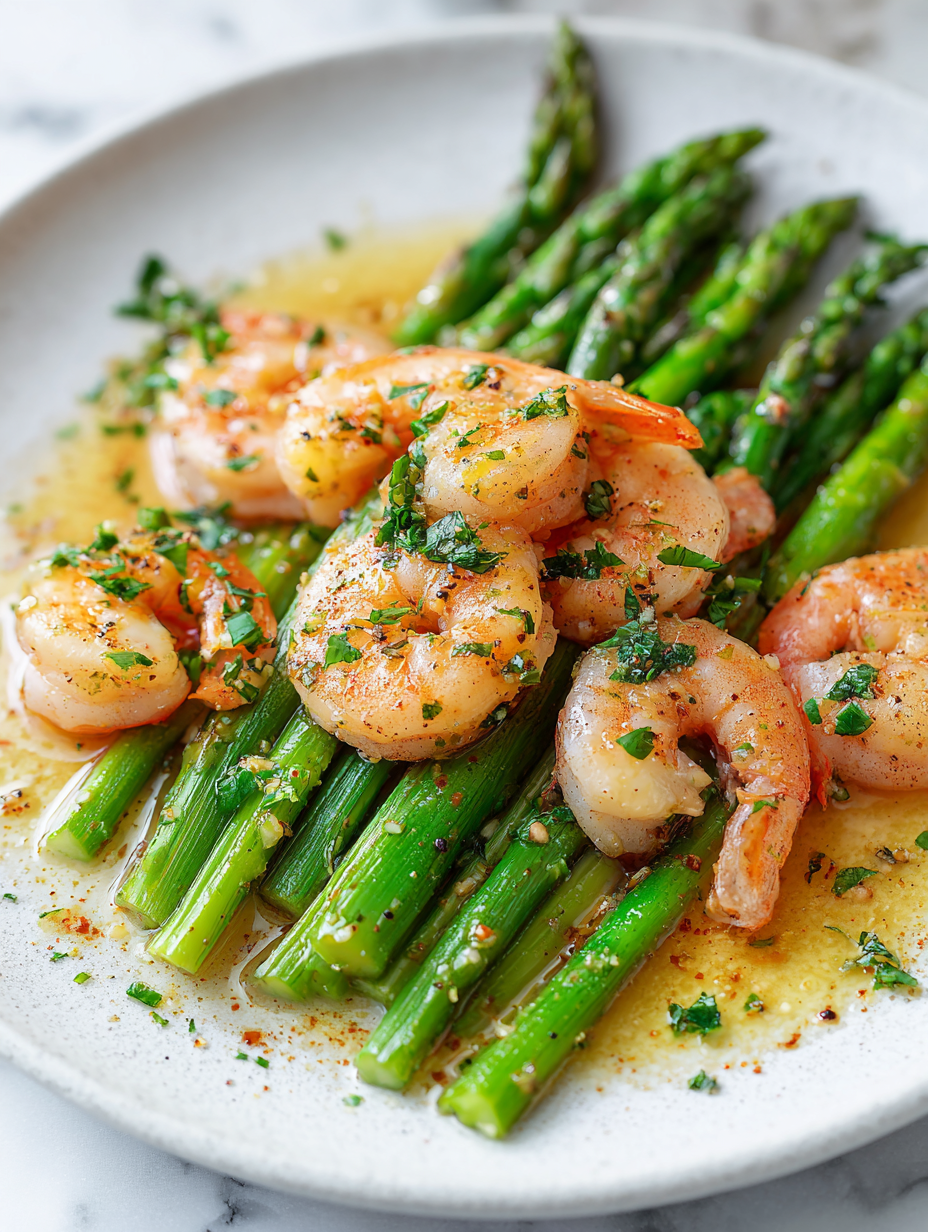
This Shrimp and Asparagus recipe is a little dance of flavors on the plate. The slight bitterness of the asparagus cuts through the sweet, briny shrimp, making each bite feel layered and more interesting than your usual seafood pasta. I love how a quick sizzle in the pan brings out their natural flavors without turning everything mushy or dull.
It’s one of those dishes that feels both refined and easy—perfect for a weeknight dinner that doesn’t demand hours but still delivers a fresh, vibrant punch. The trick is in balancing the textures and flavors so that each ingredient shines, yet complements the others. That subtle bitterness from the asparagus? It’s what keeps me coming back for more, every single time.
Focusing on how the slight bitterness of asparagus balances the sweet, briny shrimp, creating a layered flavor profile that surprises the palate.
The balance of bitterness and brine
- This dish reminds me of the first spring we had in our new house, where the smell of asparagus still lingers in my memory.
- Cooking shrimp this way always makes me feel like I’ve hit a small culinary victory, especially when they turn perfectly pink and juicy.
- There’s a quiet joy in watching those bright green spears soften just enough — it’s simple, but somehow satisfying.
- Sometimes, I get a little nostalgic, thinking about family dinners around the table, sharing plates like this one.
The spark behind this dish
This dish came about on a busy spring evening when I needed something quick, fresh, and satisfying. I was craving the crunch of asparagus paired with the briny sweetness of shrimp, but wanted it to feel special, not just thrown together. The idea of balancing that slight bitterness with the richness of seafood has stuck with me ever since. It’s a reminder that simple ingredients can surprise you if you treat them with a little care and patience.
Historical & Cultural Tidbits
- Asparagus was cultivated by the ancient Egyptians, who valued it for its medicinal properties and delicate flavor.
- Shrimp has been a staple in coastal cuisines worldwide for centuries, often symbolizing prosperity and abundance.
- The pairing of seafood with green vegetables like asparagus gained popularity in Mediterranean cooking, emphasizing fresh, seasonal ingredients.
- In the early 20th century, quick sautéed dishes like this became favored in busy households for their simplicity and bright flavors.
Key ingredients and tips
- Shrimp: I like mine peeled and deveined, juicy and tender with a slight chew—look for those that feel firm and smell briny. Swap for scallops if you want a richer bite, but they’ll cook faster, so watch closely.
- Asparagus: I choose bright green, firm stalks with tight tips—roasted or grilled, they develop a smoky sweetness. Thinner spears cook quicker, so keep an eye on them to avoid mushiness, or swap with broccoli for a different crunch.
- Garlic: I use lots of minced garlic for an aromatic punch—fresh is best, with a pungent, slightly sweet aroma. You can substitute with shallots for a milder sweetness, but don’t skimp on the garlic here.
- Olive oil: I prefer good-quality extra virgin, shimmering with a fruity, peppery scent. If you want a lighter feel, swap with avocado oil, which won’t compromise the flavor but adds a subtle nuttiness.
- Lemon: Bright, zesty lemon juice illuminates the dish—aim for a fresh, tangy burst. Lime can work in a pinch for a different citrus twist, but skip the zest if you want to keep it simple.
- Red pepper flakes: Just a pinch adds a gentle heat that makes the flavors pop—adjust to your heat preference. Substitute with smoked paprika for a deeper, smoky layer if you prefer, but keep the spice minimal.
- Salt & Pepper: I season generously, tasting as I go—sea salt amplifies sweetness, black pepper adds depth. Kosher salt flakes are my go-to, but table salt works if you’re careful with measurements.
Spotlight on key ingredients
Shrimp:
- I prefer mine peeled and deveined, firm with a sweet, briny scent—look for those that feel plump and smell fresh. Swap for scallops if you want a richer, slightly buttery bite, but watch their quick cook time to avoid rubbery texture.
- Asparagus: I choose vivid green, crisp stalks with tight tips—when cooked, they develop a smoky aroma and tender snap. Thinner spears cook faster and tend to be more delicate, so keep an eye to prevent mushiness. Substitute with broccoli for a different crunch and bite.
Asparagus:
- Bright, crisp, with a slightly earthy aroma when raw, it softens beautifully but retains a slight bite when properly cooked. Watch for overcooking, which dulls color and ruins texture—aim for tender yet firm tips, with a hint of caramelization from charring.
- ingredient
Notes for ingredient swaps
- Dairy-Free: Skip butter or creamy sauces—this dish shines with just the natural seafood and vegetable flavors, keeping it light and fresh.
- Vegetarian: Replace shrimp with firm tofu or tempeh, sautéed until golden—still offers a satisfying bite and absorbs flavors well.
- Gluten-Free: Ensure soy sauce or any added sauces are gluten-free, or swap with coconut aminos for a slightly sweeter, less salty note.
- Low-Sodium: Use less salt and opt for unsalted butter or broth—let the natural sweetness of the shrimp and asparagus shine through.
- Vegan: Omit shrimp, substitute with heartier vegetables like mushrooms or artichoke hearts—adds umami without seafood.
- Herb Variations: Swap parsley or basil for cilantro or tarragon—each brings a fresh, different aromatic punch to the dish.
- Acid Boost: Use lime juice instead of lemon for a different citrus brightness—adds a slightly more floral note.
Equipment & Tools
- Large skillet: To cook the shrimp and asparagus evenly.
- Tongs: To flip and toss ingredients without breaking them.
- Small bowl: To hold minced garlic or pre-measured lemon juice.
- Sharp knife: For trimming asparagus and prepping shrimp.
Step-by-step guide to pan searing
- Gather your equipment: a large skillet (preferably non-stick or stainless steel), tongs, a small bowl, and a sharp knife. Have your ingredients ready—shrimp peeled and deveined, asparagus trimmed, garlic minced, lemon juiced, and oil measured.
- Heat the skillet over medium-high heat—about 200°C (390°F)—until hot but not smoking. Add 1 tbsp of olive oil, swirling to coat the pan.
- Add the asparagus spears in a single layer. Cook for 2-3 minutes, shaking the pan occasionally. Look for tender-crisp with slight char marks and vibrant green color.
- Push the asparagus to one side of the pan. Add another teaspoon of oil if needed. Toss in the garlic, cooking for 30 seconds until fragrant—smell should be warm and pungent, not burnt.
- Add the shrimp in an even layer. Cook for 2-3 minutes, flip, and cook for another 2 minutes. Shrimp should turn pink and opaque, with a slight jiggle. If overcooked, they turn rubbery—reduce heat or remove early.
- Squeeze lemon juice over the shrimp and asparagus, then sprinkle with red pepper flakes, salt, and pepper. Toss everything gently to combine, letting flavors meld for 30 seconds. The aroma should be bright and citrusy.
- Remove the skillet from heat. Rest for 1 minute. Plate the mixture, drizzling with any remaining pan juices. Garnish with fresh herbs or extra lemon if desired.
Let the dish rest for a minute to settle flavors. Serve immediately on warmed plates, garnished if desired. Drizzle with extra lemon or herbs for a fresh finish.
How to Know It’s Done
- Shrimp are pink, opaque, and slightly firm when pressed.
- Asparagus tips are tender yet retain some crunch, and have a slight char.
- Fumes smell fragrant with garlic and citrus—no burnt aroma present.
Shrimp and Asparagus Sauté
Ingredients
Equipment
Method
- Trim the woody ends off the asparagus and cut into 2-inch pieces. Mince the garlic and juice the lemon, setting both aside in small bowls.
- Heat a large skillet over medium-high heat until shimmering. Add a tablespoon of olive oil and swirl to coat the pan.
- Add the asparagus in a single layer and cook for about 2-3 minutes, shaking the pan occasionally until they develop slight char marks and turn vibrant green. Remove and set aside.
- In the same skillet, add a bit more oil if needed and toss in the minced garlic. Cook for 30 seconds until fragrant, with a warm, pungent aroma filling the air.
- Push the garlic to one side of the pan and add the shrimp in a single layer. Sauté for about 2-3 minutes without moving, then flip and cook for another 2 minutes until they turn pink and opaque.
- Squeeze lemon juice over the shrimp and sprinkle with red pepper flakes, salt, and pepper. Toss gently to coat evenly and cook for an additional 30 seconds until the flavors meld.
- Return the cooked asparagus to the skillet, tossing everything together for 1 minute to combine and warm through. The shrimp should be juicy, and the asparagus slightly charred but crisp.
- Remove from heat, squeeze extra lemon if desired, and taste for seasoning. Serve immediately on warm plates, garnished with fresh herbs if you like.
Pro tips for perfect shrimp and asparagus
- Use high heat to get a quick sear—look for a shimmering pan before adding ingredients.
- Keep shrimp in a single layer—crowding causes steaming, not sautéing, which dulls their color and flavor.
- Add garlic towards the end of cooking—smell for a warm, fragrant aroma; avoid burning which turns bitter.
- Toss asparagus and shrimp frequently—this evens out cooking and prevents sticking or burning on one side.
- Squeeze lemon juice after cooking—brightens flavors and keeps the shrimp juicy, avoiding a cooked-out tang.
- Use tongs to flip ingredients—gentle handling preserves the delicate texture of shrimp and spears.
- Rest the dish briefly before serving—flavors meld, juices redistribute, ensuring each bite is juicy and balanced.
Common mistakes and how to fix them
- FORGOT to check pan temperature → Use a thermometer or look for a shimmering surface.
- DUMPED too much oil → Use just enough to coat the pan; excess causes soggy shrimp.
- OVER-TORCHED garlic → Add garlic later or lower heat to prevent burning and bitterness.
- MISSED resting time → Let the dish sit for a minute after cooking to settle flavors and juices.
Quick fixes and pantry swaps
- When shrimp stick to pan, splash a little water to loosen and prevent tearing.
- If asparagus turns mushy, patch with a quick blast of ice water to stop cooking.
- Splash lemon juice to brighten dull flavors and shimmer the dish visually.
- Shield overcooked garlic with a quick sprinkle of fresh herbs for added freshness.
- When in doubt, swap in broccoli or snap peas for crunch and color.
Prep, store, and reheat tips
- Prep the shrimp: Peel, devein, and pat dry up to a day in advance. Keep refrigerated and covered to maintain freshness with a briny aroma.
- Trim and wash asparagus: Do this a few hours ahead. Store in a damp paper towel inside a plastic bag in the fridge for crispness and bright color.
- Garlic and lemon: Mince garlic and juice lemons ahead—store separately in airtight containers in the fridge to keep their pungency and brightness intact.
- Storage: Keep cooked shrimp and asparagus separately in airtight containers for up to 1 day. Reheat gently in a skillet to preserve texture and flavor.
- Reheating: Warm in a skillet over low-medium heat, 150°C (300°F), until just heated through. Expect the shrimp to regain some juiciness and the asparagus to soften slightly, with aroma of lemon and garlic lingering.
Top questions about shrimp and asparagus
1. Should I peel and devein the shrimp beforehand?
Peeling and deveining shrimp really enhances texture and makes eating much easier, especially when sautéed. If you buy them pre-peeled, just make sure they’re fresh and smell briny, not fishy.
2. How do I prepare asparagus for this dish?
Trim the woody ends of asparagus—snap or cut about 2 inches from the bottom. This keeps the tender parts and avoids that tough, stringy end.
3. How do I know when the shrimp are done?
Cook shrimp just until they turn pink and opaque—about 2-3 minutes per side on high heat. Overcooked shrimp become rubbery and lose their juiciness.
4. Should I use fresh or pre-minced garlic?
Use fresh garlic for a pungent, warm aroma. Mince it finely so it cooks evenly and doesn’t burn quickly—burnt garlic turns bitter very fast.
5. What heat should I cook the shrimp at?
A quick sear over high heat gives the shrimp a nice caramelized flavor and keeps them juicy. Keep the heat around 200°C (390°F) and don’t overcrowd the pan.
6. When should I add lemon juice?
Squeeze fresh lemon juice at the end to brighten the flavors and add a tangy contrast to the richness of the shrimp. Lime can be a good substitute if you prefer a different citrus note.
7. What if the asparagus overcooks?
If asparagus turns mushy, remove it quickly and rinse with cold water to stop cooking. A quick blast of ice water can help preserve color and crunch.
8. Can I substitute the oil?
Use a good-quality olive oil with a fruity, peppery scent. It adds depth and richness; if you want a lighter version, swap with avocado oil.
9. How spicy should I make it?
Adding red pepper flakes gives a gentle heat that complements the sweetness of shrimp. Adjust according to your spice tolerance—smoked paprika can add smoky depth instead.
10. Should I rest the dish before serving?
Rest the dish for a minute after cooking—this allows the flavors to meld and the juices to redistribute, making every bite juicier and more balanced.
This dish feels like a quiet celebration of spring, with fresh, bright flavors that somehow lift the spirits. It’s simple enough for weeknights but special enough to serve to someone you care about. I keep coming back to it when I want something honest, flavorful, and just a little bit elegant.
In the end, it’s about those small moments—watching the shrimp turn perfect pink, the asparagus crisp-tender, and the aroma of garlic and lemon filling the kitchen. That balance of simplicity and vibrancy makes every plate feel like a little victory. No matter how busy life gets, this one’s a recipe I trust to deliver a fresh, flavorful escape.
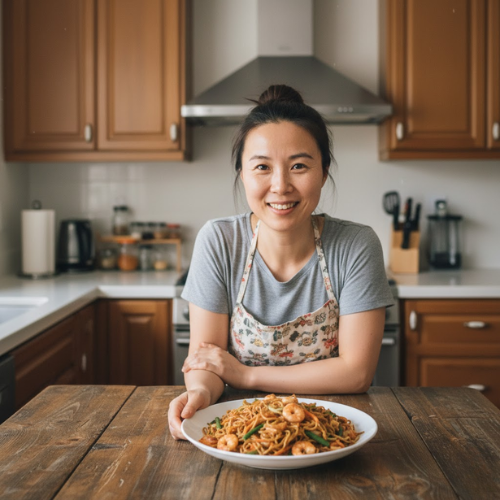
Hi, I’m Jessica Miller, the creator behind Taste Bud Tyrant. Before you get intimidated by the name, let me explain. I am not actually tyrannical. I am just deeply opinionated about flavor. If a dish is bland, I will say it. If a sauce needs acid, I will add it. If something can be bolder, brighter, or better balanced, I will not stop until it is.
