
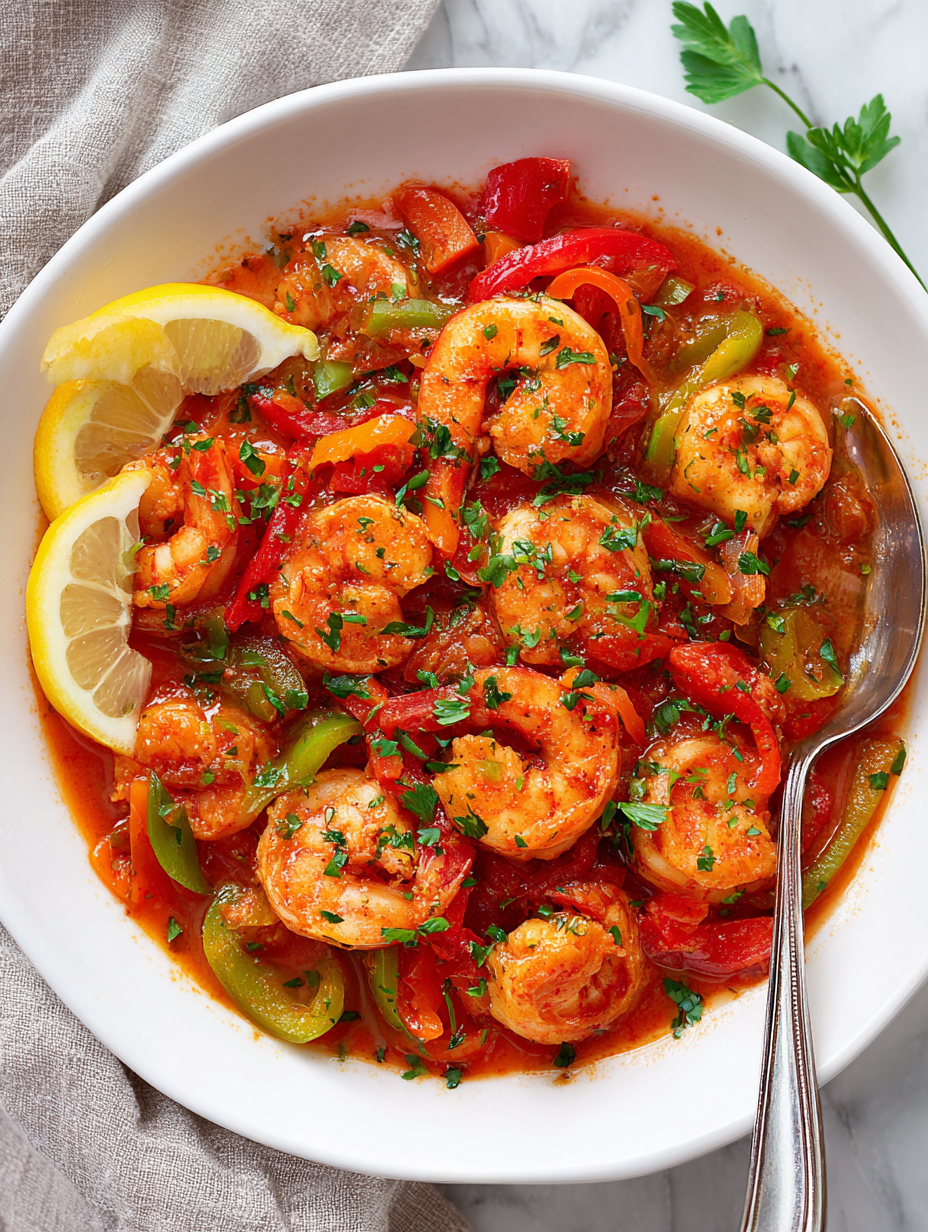
Shrimp Creole has always been that dish I turn to when I want a taste of home, especially on days when the weather feels just right for something warm and soulful. It’s not fancy, but it’s honest—bright with tomatoes, a little spicy, and packed with shrimp that’s tender and juicy. I love how it comes together with ingredients I usually have in my pantry, making it an accessible comfort food that feels like a hug from the South.
This recipe isn’t about perfection; it’s about embracing the imperfect, the slightly chaotic, and the deeply flavorful. I’ve tweaked it over the years, adding a splash of hot sauce or a pinch of sugar here and there, depending on what I have at hand. It reminds me that cooking is about flexibility, about making a dish your own, no matter how many times you’ve made it.
Cooking this dish is like a small celebration of everyday ingredients—ripe tomatoes, fragrant spices, and plump shrimp—transformed into something warm, familiar, and satisfying. It’s perfect for a busy weeknight or a lazy weekend, when I want something quick that still feels special. And honestly, it’s the kind of meal that makes the house smell like a little piece of the South—spicy, tomatoey, and just a touch smoky.
Focusing on the nostalgic comfort of a dish that feels like a warm hug from the South, this recipe celebrates the imperfect, homey charm of shrimp creole made with ingredients I keep on hand, turning everyday pantry staples into a soulful, flavorful meal.
A Flavorful Nod to Southern Roots
- Cooking this dish always takes me back to lazy summer evenings on my grandma’s porch, the air thick with spice and laughter.
- There’s a quiet pride I feel when I gather my ingredients—simple, honest, and ready to transform into something soulful.
- Honestly, I love how forgiving this recipe is; a splash more hot sauce or a pinch of sugar and it’s just right.
- I get a kick out of how this dish can be a quick weeknight dinner or a centerpiece for a small gathering, depending on my mood.
- Every time I make it, I’m reminded how powerful a handful of pantry staples can be when cooked with a little love.
A Personal Take on Creole Comfort
- This recipe came together after a trip to New Orleans years ago, where I fell in love with the vibrant, spicy flavors of Creole cooking. It’s funny how a single bowl of something so simple can make you feel like you’re back on those lively streets, the smell of spices mixing with the ocean breeze. I started tweaking it at home, trying to capture that same warmth and complexity without fussing over every ingredient.
- What I love most is how this dish feels like a celebration of improvisation—using what’s in the pantry, adjusting the heat, and still ending up with something that tastes like it’s been simmering all day. It’s a dish that welcomes mistakes, and turns them into new flavors. That relaxed, forgiving spirit is what keeps me coming back to it, especially when I want comfort that’s honest and a little spicy.
- heading: A Personal Take on Creole Comfort
Historical Roots of Shrimp Creole
- Shrimp Creole originates from Louisiana, blending French, Spanish, and Caribbean influences into a vibrant stew.
- This dish became popular among Creole communities in New Orleans in the 19th century, reflecting a melting pot of cultures.
- Historically, it was cooked with local ingredients like okra, file powder, and fresh Gulf shrimp, showcasing regional flavors.
- The term ‘Creole’ refers to both the cultural heritage and the style of cooking that emphasizes bold, hearty flavors.
- Today, Shrimp Creole remains a beloved comfort food, often made with pantry staples, keeping its soulful roots alive.
Ingredient Breakdown
- Bell peppers: I love the sweetness and crunch they bring, especially red or yellow for vibrant color; if you prefer milder flavor, skip or use less.
- Canned tomatoes: Juicy and bright, they form the sauce’s base; for a richer taste, opt for fire-roasted or add a splash of tomato paste.
- Shrimp: Plump and tender, I prefer peeled, deveined, and not overcooked; if fresh isn’t available, good quality frozen works fine—just thaw well.
- Onion and celery: The classic Cajun trinity, they add depth; cook them until translucent for a sweeter, more mellow flavor.
- Spices (paprika, cayenne): They give the dish its smoky heat, but start small—add more at the end if you want it spicier and more balanced.
- Hot sauce: A splash brightens everything, so don’t skimp; if you’re sensitive, add it at the end to control heat.
- Okra (optional): Adds a slightly mucous texture, which I find comforting; if you dislike sliminess, fry it first for a crispy edge.
Spotlight on key ingredients
Bell peppers:
- I love their sweet, crisp bite, especially when red or yellow for a pop of color; if you prefer softer, cook them longer.
- Canned tomatoes: Juicy and bright, they form the sauce’s backbone; opt for fire-roasted for smoky depth or add a splash of tomato paste for richness.
Canned tomatoes:
- Shrimp: Plump, tender, and juicy, I prefer peeled and deveined; frozen shrimp work fine if thawed thoroughly—watch for overcooking, they turn rubbery fast.
- Spices (paprika, cayenne): They give the dish its smoky, spicy kick; start with less, you can always add more at the end for balance.
Notes for ingredient swaps
- Dairy-Free: Use coconut milk instead of butter for a creamy touch without dairy, but it will add a subtle coconut flavor.
- Vegetarian: Swap shrimp for hearty mushrooms or tofu; they’ll absorb spices well but won’t replicate the seafood sweetness.
- Low-Sodium: Choose no-salt-added canned tomatoes and skip added salt; enhance flavor with extra spices or hot sauce.
- Fresh Tomatoes: Use ripe, in-season fresh tomatoes instead of canned; you’ll get a brighter, juicier sauce with more texture.
- Smoked Paprika: For a more smoky flavor, replace regular paprika with smoked paprika; it deepens the savory notes.
- Hot Sauce: If you want less heat, reduce hot sauce or substitute with a milder chili paste; flavor stays bright without the spice kick.
- Okra: Skip okra if you dislike sliminess or fry it first for a crispy texture; it adds a mucous quality that thickens the sauce.
Equipment & Tools
- Large skillet or Dutch oven: For cooking the base and shrimp evenly.
- Wooden spoon: For stirring without scratching cookware.
- Sharp knife and cutting board: For prepping vegetables and shrimp.
- Measuring spoons and cans: To measure spices and open canned ingredients.
Step-by-step guide to Shrimp Creole
- Gather all your equipment: a large skillet or Dutch oven (for even heat), a wooden spoon (for stirring), and a sharp knife and cutting board (for prep).
- Prep your ingredients: peel and devein the shrimp, chop the bell peppers, onion, and celery. Measure out spices and canned tomatoes.
- Heat 2 tablespoons of oil over medium heat (about 160°C/320°F) in your skillet. Add chopped onion, celery, and bell peppers. Cook until translucent and fragrant, about 5 minutes, stirring occasionally. They should be soft but not browned.
- Stir in 1 teaspoon paprika, ¼ teaspoon cayenne, and a pinch of salt. Cook for 30 seconds until spices are fragrant. If the spices start to burn or smell acrid, lower heat slightly.
- Add the canned tomatoes with their juice. Stir well, scraping any bits off the bottom. Bring to a simmer, about 10 minutes, until the sauce thickens slightly and deepens in color. If it gets too thick, add a splash of water.
- Once the sauce is ready, add the shrimp: stir in and cook for 3-4 minutes. Shrimp should turn pink and curl up. If they stay translucent, cook a bit longer, but don’t overdo it—shrimp turn rubbery quickly.
- Check the seasoning: taste and add hot sauce or salt as needed. The sauce should be bright, slightly spicy, and aromatic.
- Turn off heat. Let the creole rest for 2 minutes to allow flavors to meld. Serve over rice or with crusty bread, garnished with chopped parsley if you like.
Let the dish rest off the heat for 2 minutes. Serve hot over rice, garnished with fresh herbs if desired. The flavors will deepen slightly as it sits.
How to Know It’s Done
- Shrimp are pink, firm, and curled—perfectly cooked.
- Sauce is thick, vibrant, and aromatic with spices and tomato base.
- Vegetables are tender but not mushy, with a slight bite.
Shrimp Creole
Ingredients
Equipment
Method
- Start by heating the oil in a large skillet over medium heat until it shimmers and begins to gently bubble.
- Add the chopped onion, celery, and bell pepper to the skillet. Sauté for about 5 minutes, stirring occasionally, until the vegetables are soft and fragrant with a slight translucency.
- Stir in the paprika and cayenne pepper, cooking for about 30 seconds until the spices release their aroma, making the mixture fragrant and vibrant.
- Pour in the canned tomatoes with their juice, scraping the bottom of the skillet to loosen any flavorful bits. Bring the mixture to a gentle simmer and cook for about 10 minutes, allowing the sauce to thicken and deepen in color.
- Gently stir in the shrimp, spreading them evenly in the sauce. Cook for 3-4 minutes, or until the shrimp turn pink, curl up, and are just cooked through.
- Season the dish with hot sauce and salt, tasting and adjusting the heat and saltiness until balanced and flavorful.
- Remove from heat and sprinkle with chopped parsley if using, adding a fresh pop of color and flavor.
- Serve the Shrimp Creole hot over steamed rice or with crusty bread to soak up the flavorful, spicy sauce.
Tips for Perfect Shrimp Creole
- Bolded mini-head: Use high heat when sautéing vegetables to achieve a fragrant, slightly caramelized aroma.
- Bolded mini-head: Season the sauce gradually—taste frequently to balance acidity and spice levels.
- Bolded mini-head: Add shrimp only at the end to keep them tender and juicy, avoiding rubbery texture.
- Bolded mini-head: Deglaze the pan with a splash of hot sauce or broth to lift all those flavorful bits.
- Bolded mini-head: Finish with a squeeze of lemon or lime to brighten the dish’s deep tomato and spice notes.
- Bolded mini-head: If the sauce gets too thick, stir in a little water or broth to loosen it without losing flavor.
Common mistakes and how to fix them
- FORGOT to adjust heat → burn spices; lower heat and add a splash of water.
- DUMPED the shrimp too early → overcooked; add shrimp last and cook until pink, tender.
- OVER-TORCHED the sauce → bitter; reduce heat immediately and add a splash of broth or water.
- SKIPPED the seasoning step → bland; taste and adjust hot sauce, salt, or spices before serving.
Quick Fixes and Pantry Swaps
- When sauce is too thick, splash in hot broth and stir until it shimmers.
- If shrimp turn rubbery, remove early and finish cooking in the sauce off heat.
- Splash hot sauce when sauce is dull; it brightens flavors instantly.
- DUMPED too much spices? Dilute with a little water or tomato sauce for balance.
- Splash lemon juice to lift dull flavors and add a fresh, bright aroma.
Prep, store, and reheat tips
- Prep the sauce components—chop peppers, onion, and celery—ahead of time; they keep in the fridge for up to 2 days, bright and fragrant when reheated.
- Cook the sauce base in advance; store in an airtight container for up to 3 days, the flavors deepening and mellowing overnight.
- Peel and devein the shrimp early; keep covered in the fridge for up to 24 hours. They stay juicy and fresh, ready to cook quickly.
- Reheat gently over low heat, stirring often, until steaming hot. The aroma of spices will re-emerge and the sauce will shimmer invitingly.
- For freezer storage, freeze cooked sauce in portions up to 1 month. Thaw in the fridge overnight, then reheat with a splash of water or broth to restore moisture.
Top questions about Shrimp Creole
1. Can I use frozen shrimp?
Use fresh or frozen shrimp; both work well. Frozen should be thawed completely and pat dry for best texture.
2. Can I use fresh tomatoes instead of canned?
Yes, canned tomatoes add brightness and acidity, but fresh, ripe tomatoes can be a good substitute in season.
3. How do I make it less spicy?
Adjust the spice level by adding more cayenne or hot sauce gradually. Taste often to avoid overpowering heat.
4. How long should I cook the vegetables?
Cook the vegetables until they are translucent and fragrant, about 5 minutes, to develop flavor without browning.
5. What do I serve it with?
Serve over steamed rice or with crusty bread to soak up the flavorful sauce and balance the spice.
6. How long can I keep leftovers?
Store leftovers in an airtight container in the fridge for up to 3 days. Reheat gently until steaming hot.
7. Can I use smoked paprika?
Yes, you can substitute smoked paprika for regular for a smoky depth, but it will change the flavor profile slightly.
8. When do I add the shrimp?
Add the shrimp last, cooking just until they turn pink and curl up, about 3-4 minutes, to avoid overcooking.
9. What equipment do I need?
Use a large skillet or Dutch oven for even heat distribution. A wooden spoon is best for gentle stirring.
10. How do I finish the dish?
Taste and adjust seasoning at the end. A squeeze of lemon brightens flavors, and a splash of hot sauce adds heat.
This Shrimp Creole is more than just a meal; it’s a reminder that simple ingredients can come together in a way that feels familiar and comforting. The aroma of spices and the bright acidity of tomatoes make the house feel alive, even on quiet nights. It’s a dish that welcomes improvisation and embraces the imperfect, just like good cooking should.
Whenever I make this, I feel a little piece of home, a little piece of the South, right in my kitchen. It’s easy to throw together, yet it tastes like it’s been simmering all day. That’s the magic—something honest, soulful, and just a little spicy—that keeps me coming back to it.
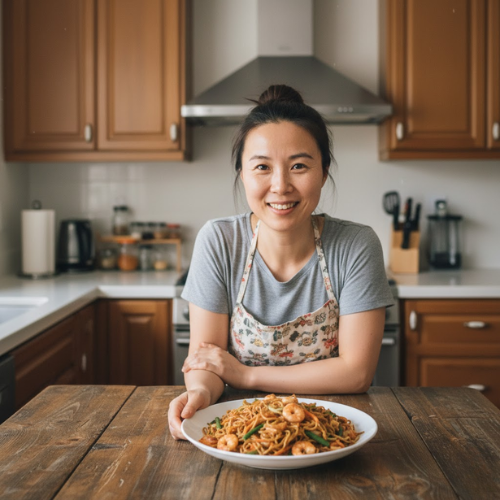
Hi, I’m Jessica Miller, the creator behind Taste Bud Tyrant. Before you get intimidated by the name, let me explain. I am not actually tyrannical. I am just deeply opinionated about flavor. If a dish is bland, I will say it. If a sauce needs acid, I will add it. If something can be bolder, brighter, or better balanced, I will not stop until it is.
